Ceramic cups: The most commonly used coffee utensils, including white porcelain, bone China, etc. The surface is smooth, the texture is light, the color is soft, and the glaze can be applied with different colors and patterns. Among them, bone China is particularly light, thin and transparent, with wide applicability. The white porcelain cup is conducive to observing the color concentration of the coffee liquid.
Earthenware cups: Made by firing clay, they have a relatively rough surface, a strong texture, and a sense of simplicity and Zen tranquility. They are deeply loved by coffee enthusiasts who pursue a sense of culture and history. However, the drawback is that coffee stains tend to adhere easily, which is not conducive to cleaning.
Glass cup: Transparent throughout, double-layered glass cups offer better heat retention. They are ideal for holding espresso, latte, macchiato and other fancy coffees, effectively showcasing the layers of coffee.
Plastic cups: They are lightweight and not easy to break, and are often used as disposable or children's coffee cups. However, when the coffee is at a high temperature, the smell from the cup may disrupt the original flavor of the coffee, affecting its taste, and harmful substances contained in the ingredients may also be released.
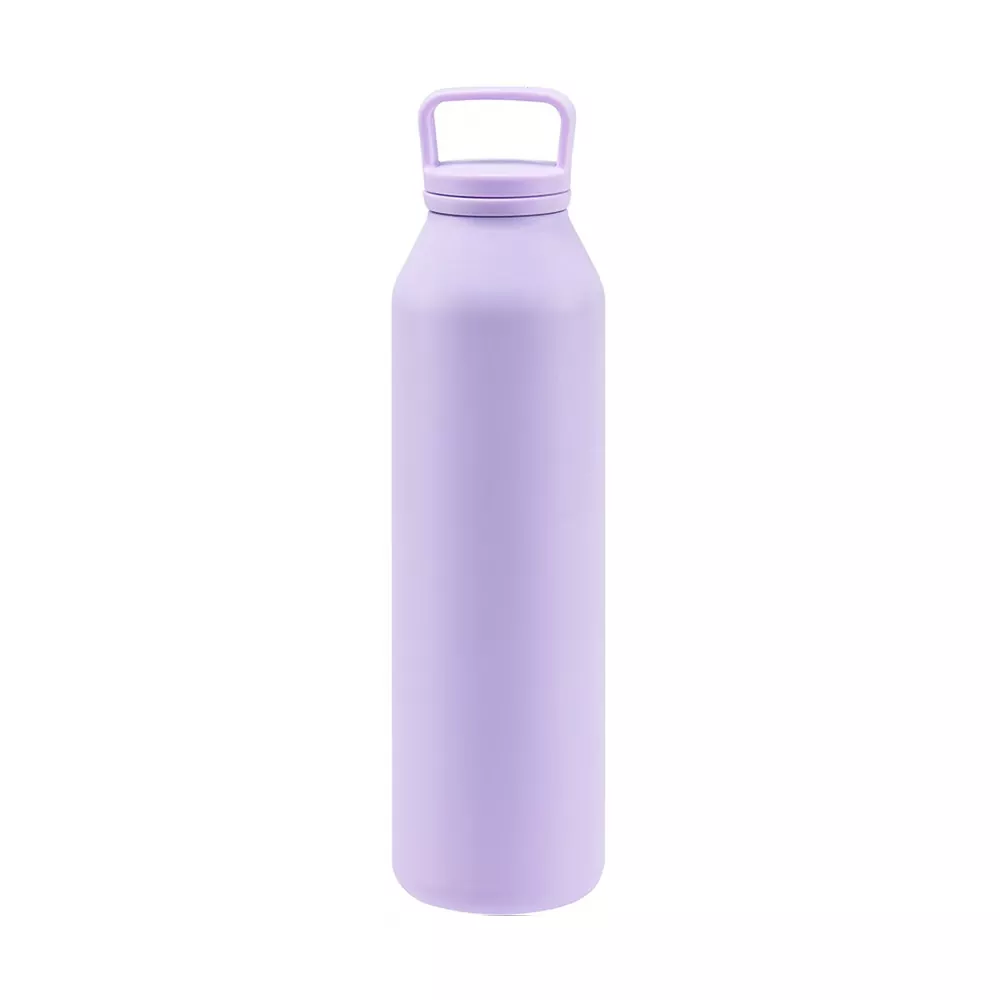
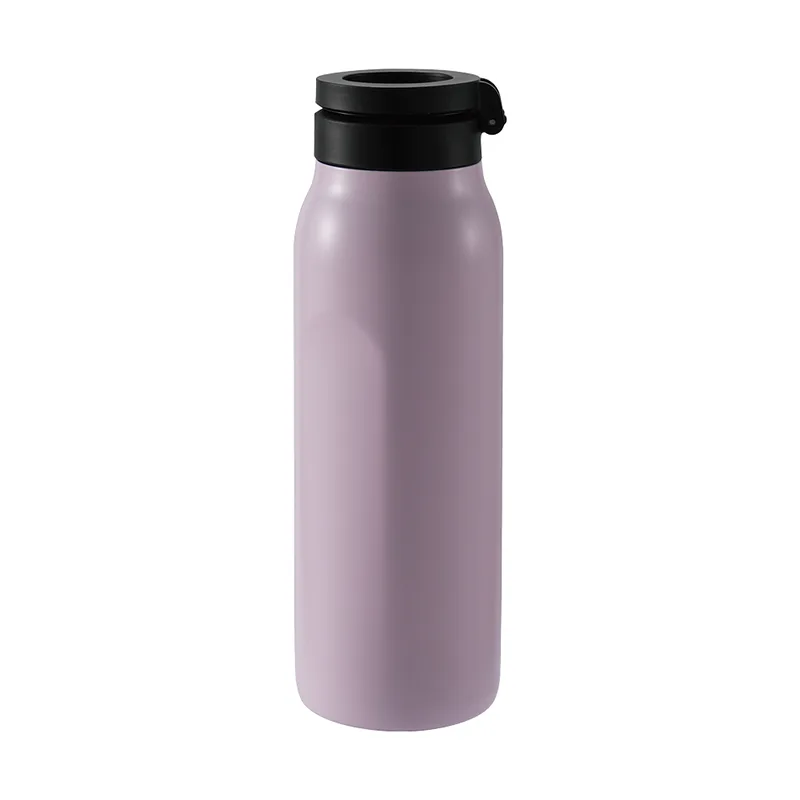
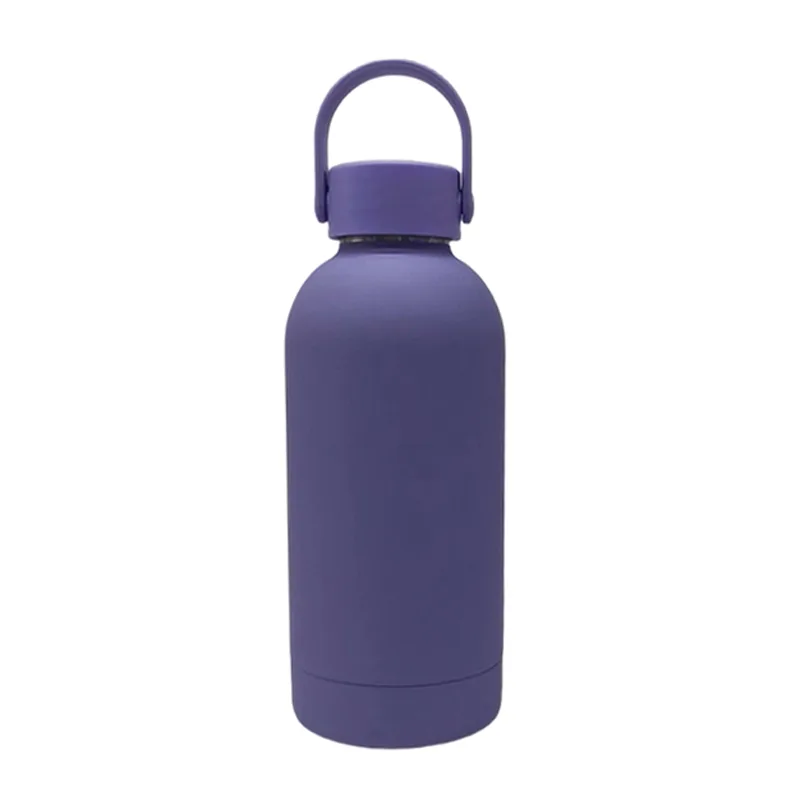
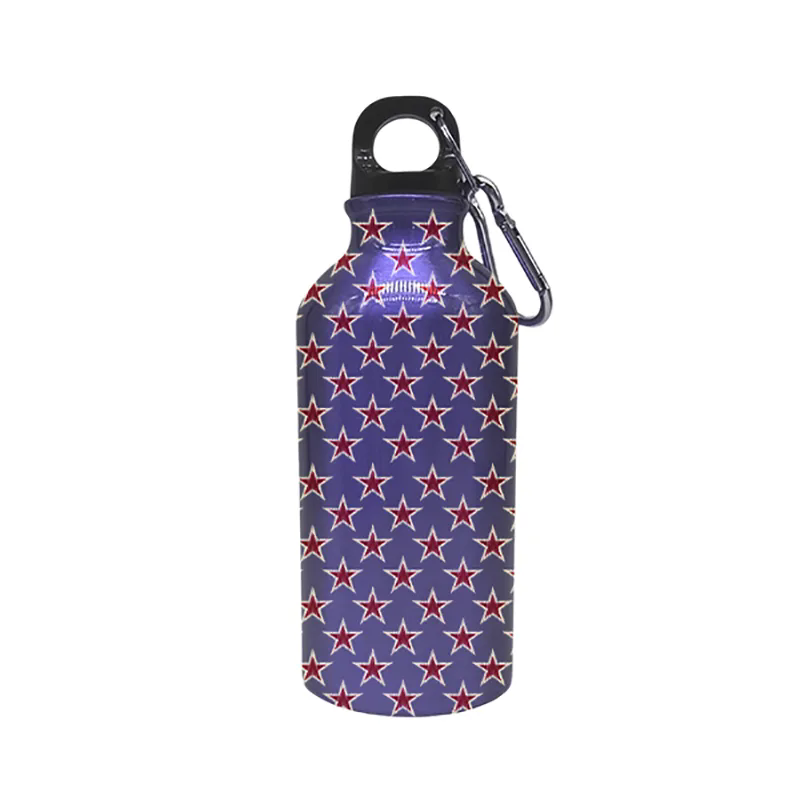
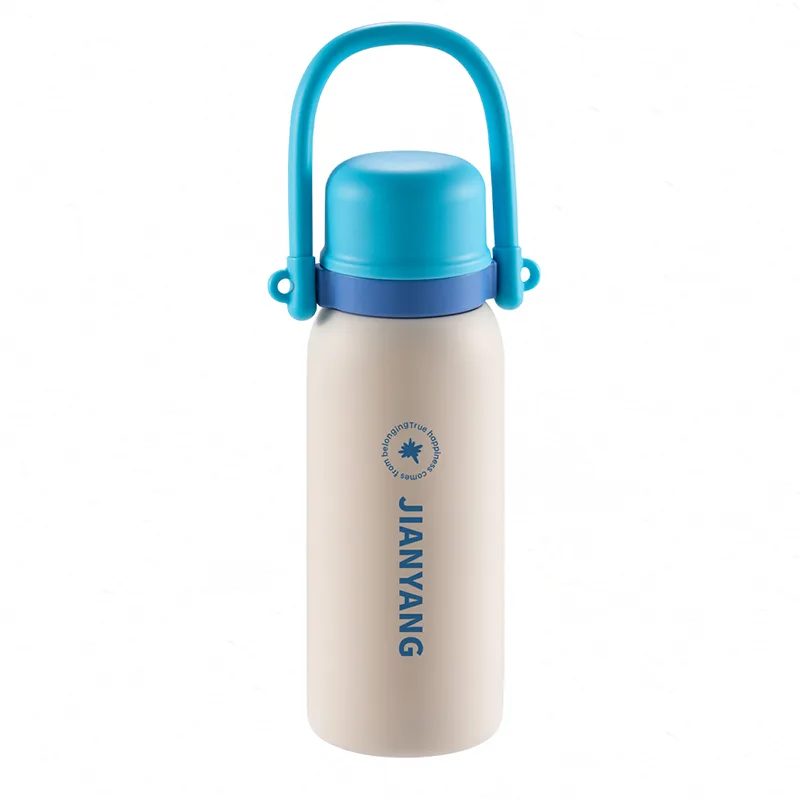
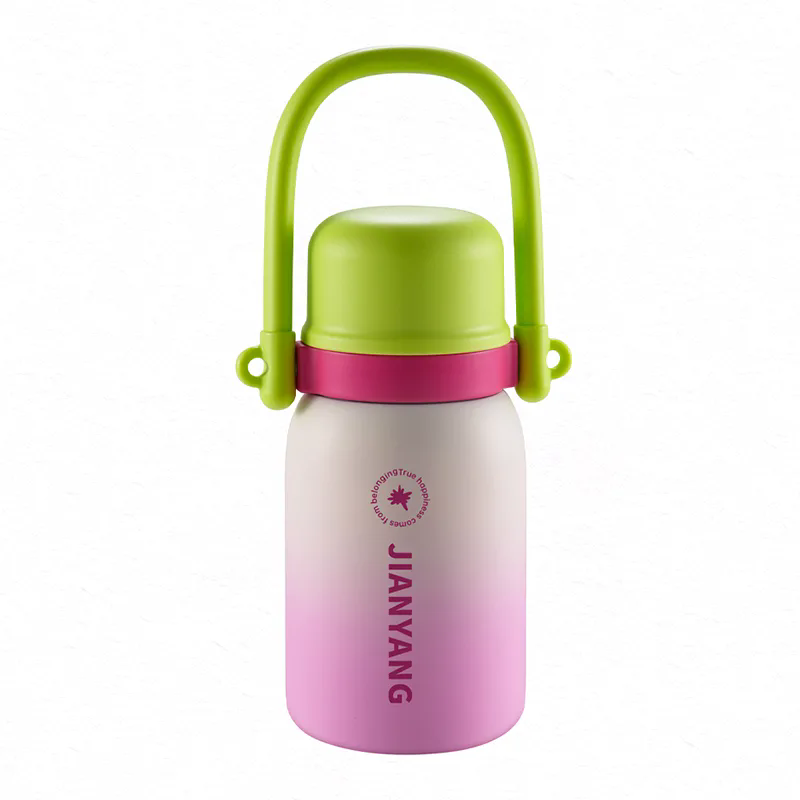
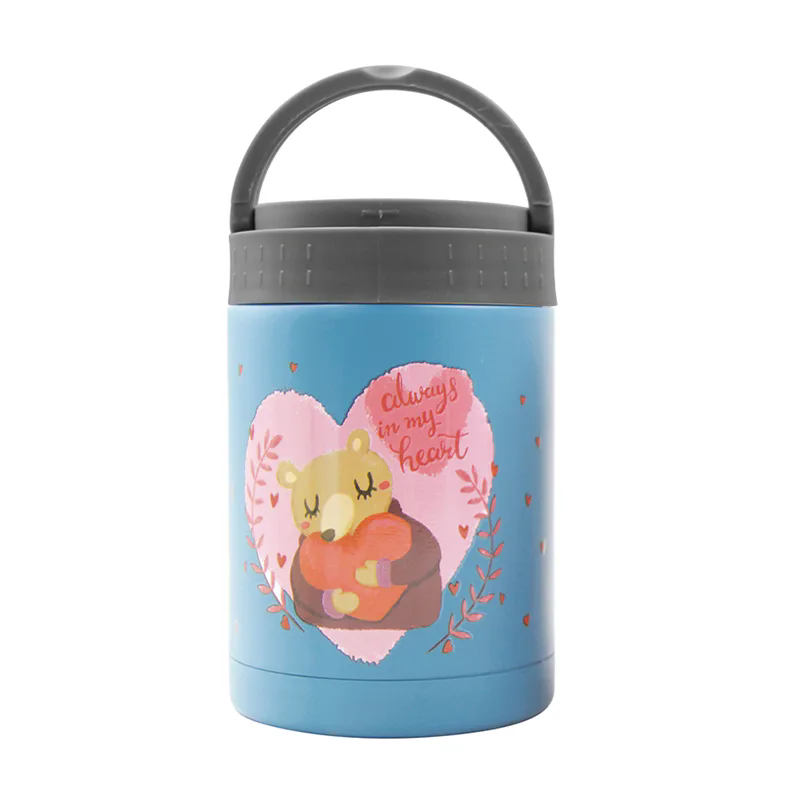
Stainless steel coffee cup: Durable material, good heat preservation effect, suitable for outdoor carrying, and can maintain the temperature of coffee for a long time.
2. Classified by cup rim:
Wide-mouthed cup: The rim of the cup is widened outward and relatively open, allowing coffee to better reach a wider range of taste buds and enabling the tongue to experience the complete flavor of coffee, especially the acidic flavor.
Straight-mouthed cup: The rim of the cup is perpendicular to the table, allowing coffee to enter the mouth more concentratedly and directly touch the sweet and middle zones, resulting in a more balanced taste.
3. Classified by cup walls:
Thick-walled coffee cups: They are more conducive to heat preservation and are suitable for drinking fancy coffee such as lattes or cappuccinos.
Thin-walled coffee cups: They offer a more delicate touch when entering the mouth, making them suitable for drinking single-origin coffee. They allow you to experience the different flavors of coffee at various temperatures, from hot to cold.
4. Classified by capacity:
Small coffee cups: With a capacity of less than 100 milliliters, they are mostly used for Italian Espresso, such as espresso.
Medium-sized coffee cups: With a capacity of around 200 milliliters, they are mostly used for single-origin coffee.
Large coffee cups: With a capacity of over 300 milliliters, they are used to hold fancy coffee with a lot of milk foam, such as lattes.
5. Classification by function:
Travel cup: It has a heat preservation function and a lid with a small sipper to prevent spillage. It is convenient to carry and suitable for use when going out.
Smart coffee cup: With built-in temperature display and heat preservation technology, it can bring a brand-new experience to coffee lovers.
We use cookies to offer you a better browsing experience, analyze site traffic and personalize content. By using this site, you agree to our use of cookies.
Privacy Policy