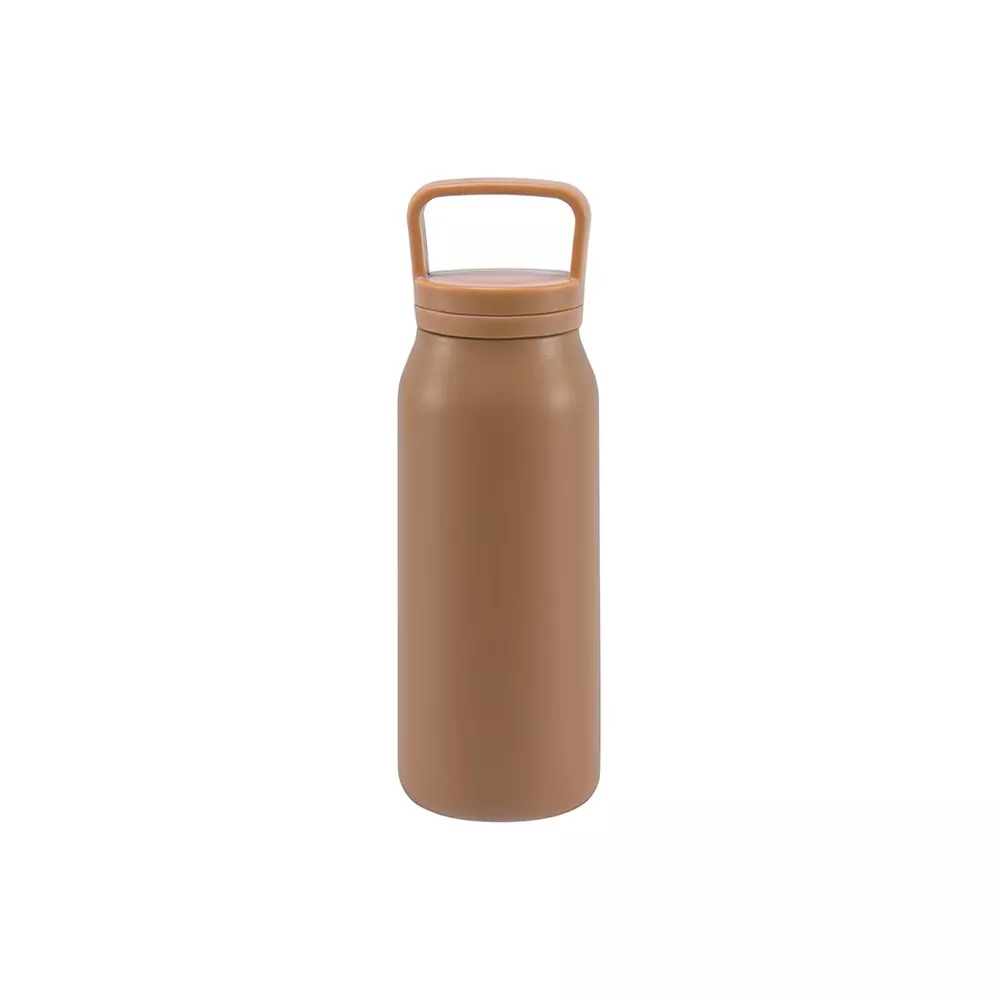
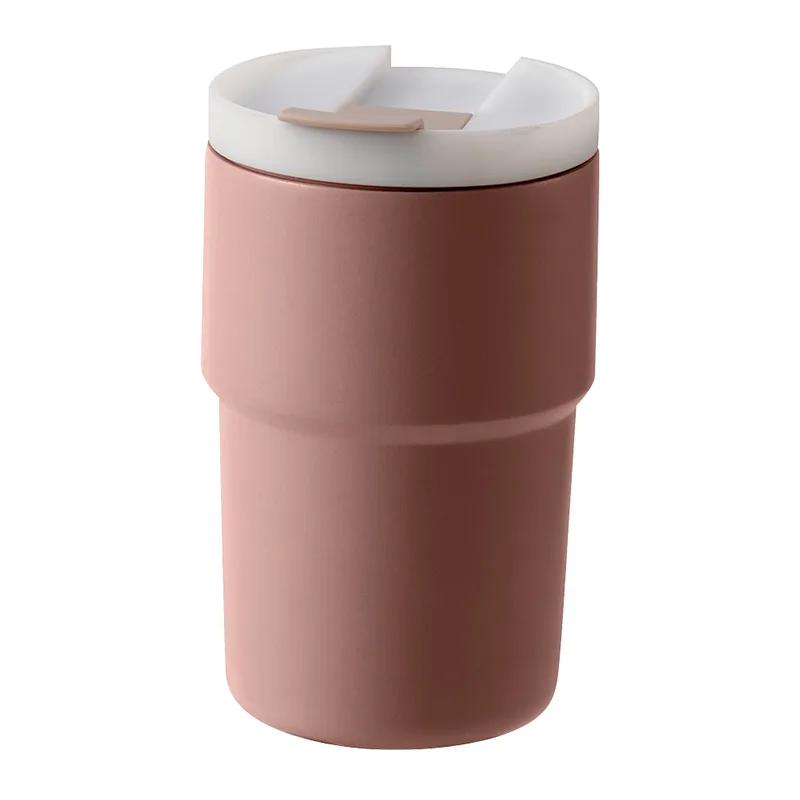
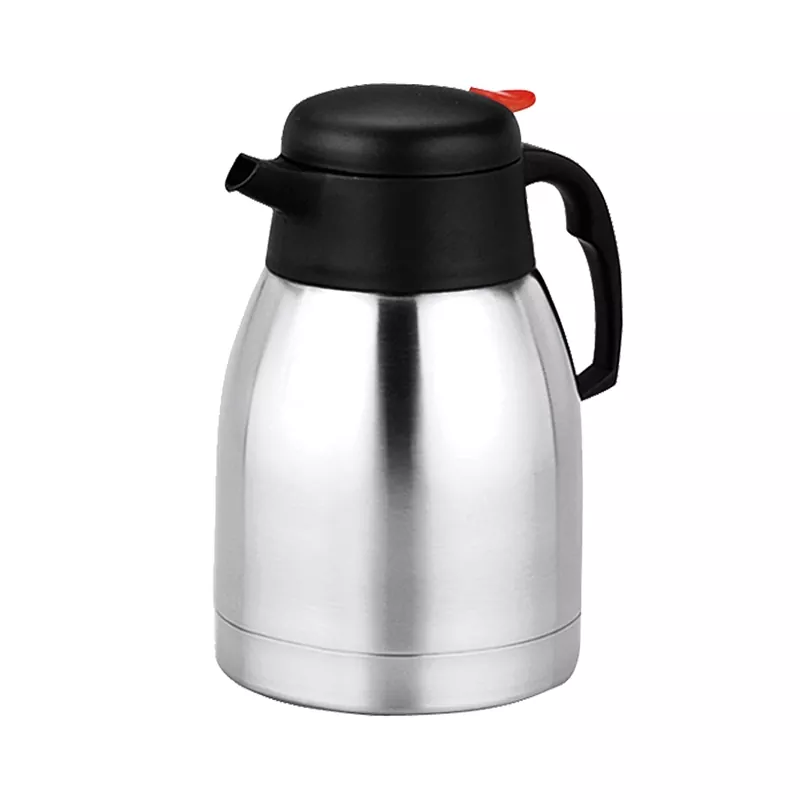
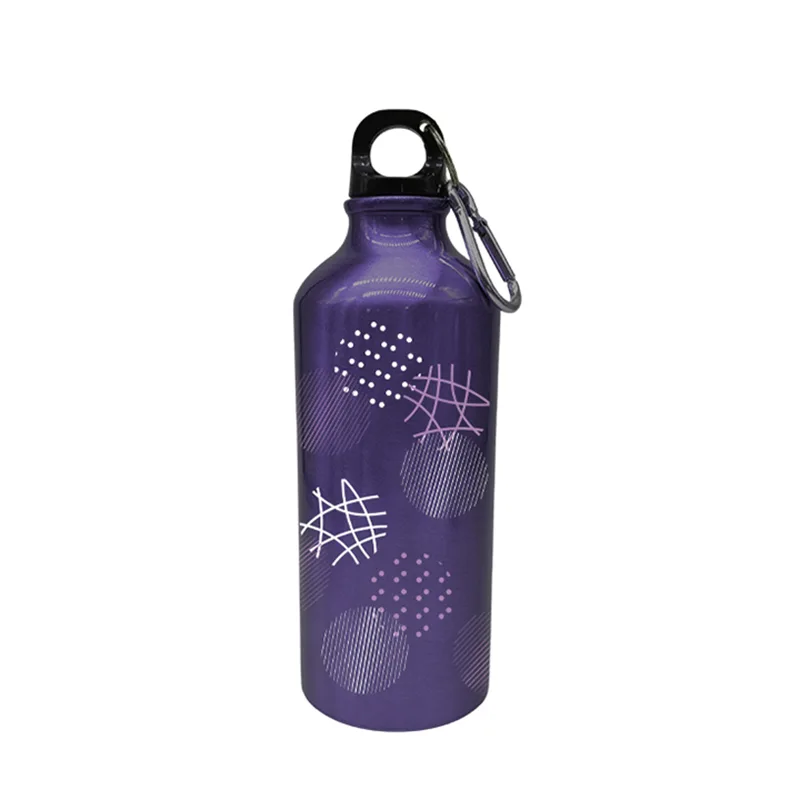
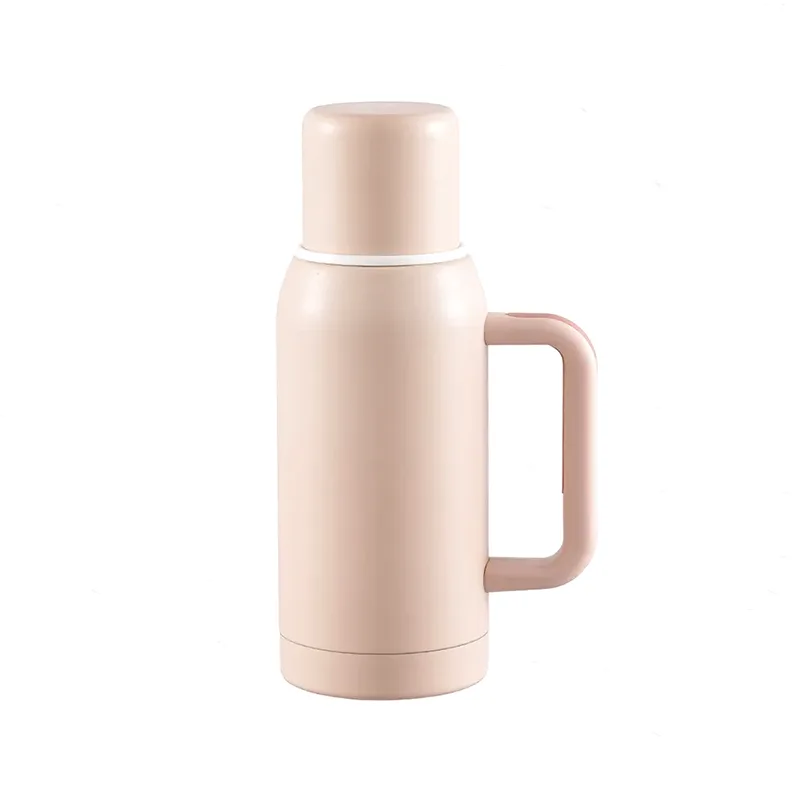
The core heat preservation logic of Vacuum flask is to maximize the blocking of the three ways of heat transfer - heat conduction, heat convection and heat radiation. Through a special structural design, it reduces the heat exchange between the inside and outside of the bottle, thereby achieving the effect of maintaining the temperature of the liquid inside the bottle (heat preservation or cold preservation). The specific principle can be explained through the dissection of its core structure:
Double-layer vacuum structure: Blocks heat conduction and convection
The flask flask of Vacuum flask is made of a double-layer glass (or metal) structure, and the space between the two layers is evacuated to a high vacuum state. This is the key design for insulation:
Blocking heat conduction: Heat conduction requires a medium (such as solid, liquid, or gas) to be achieved. In a vacuum state, there are almost no molecules that can transfer heat, thus significantly reducing heat conduction through the inner wall of the bottle. For instance, the heat of hot water is hard to be transferred outside the bottle through the vacuum layer, and cold water also has difficulty absorbing heat from the outside.
Blocking thermal convection: Thermal convection is the way in which liquids or gases transfer heat through flow. The vacuum layer eliminates the presence of gas (or liquid), thus completely avoiding heat exchange caused by gas convection and further reducing heat loss.
Inner wall coating with reflective layer: Weakens thermal radiation
The inner wall of the Vacuum flask (usually the outer surface of the inner layer and the inner surface of the outer layer) is coated with a layer of metal reflective film (such as silver, aluminum, etc.). Thermal radiation is a way of heat transfer that does not require a medium. Any object with a temperature will radiate infrared rays outward (carrying heat), and the function of the reflective film is:
For heat preservation (holding hot water) : Reflect the infrared rays radiated outward by the hot water inside the bottle, and reflect the heat back into the bottle to reduce heat loss caused by thermal radiation.
For cold preservation (filling with cold water) : Reflect the infrared rays radiated from the external environment into the bottle, prevent external heat from entering the bottle through radiation, and maintain the low temperature inside the bottle.
Seal the bottle cap: Assist in blocking heat exchange
The bottle caps of Vacuum flask are usually made of materials with good heat insulation performance (such as plastic, cork, silicone, etc.) and are designed with a sealing structure. On the one hand, the heat insulation property of the bottle cap itself can reduce the heat conduction through the cap. On the other hand, the sealed design can prevent the leakage of gases inside the bottle (such as water vapor produced by hot water), avoid convective heat transfer caused by gas leakage, and also block outside air from entering the bottle, further assisting in heat preservation.
We use cookies to offer you a better browsing experience, analyze site traffic and personalize content. By using this site, you agree to our use of cookies.
Privacy Policy