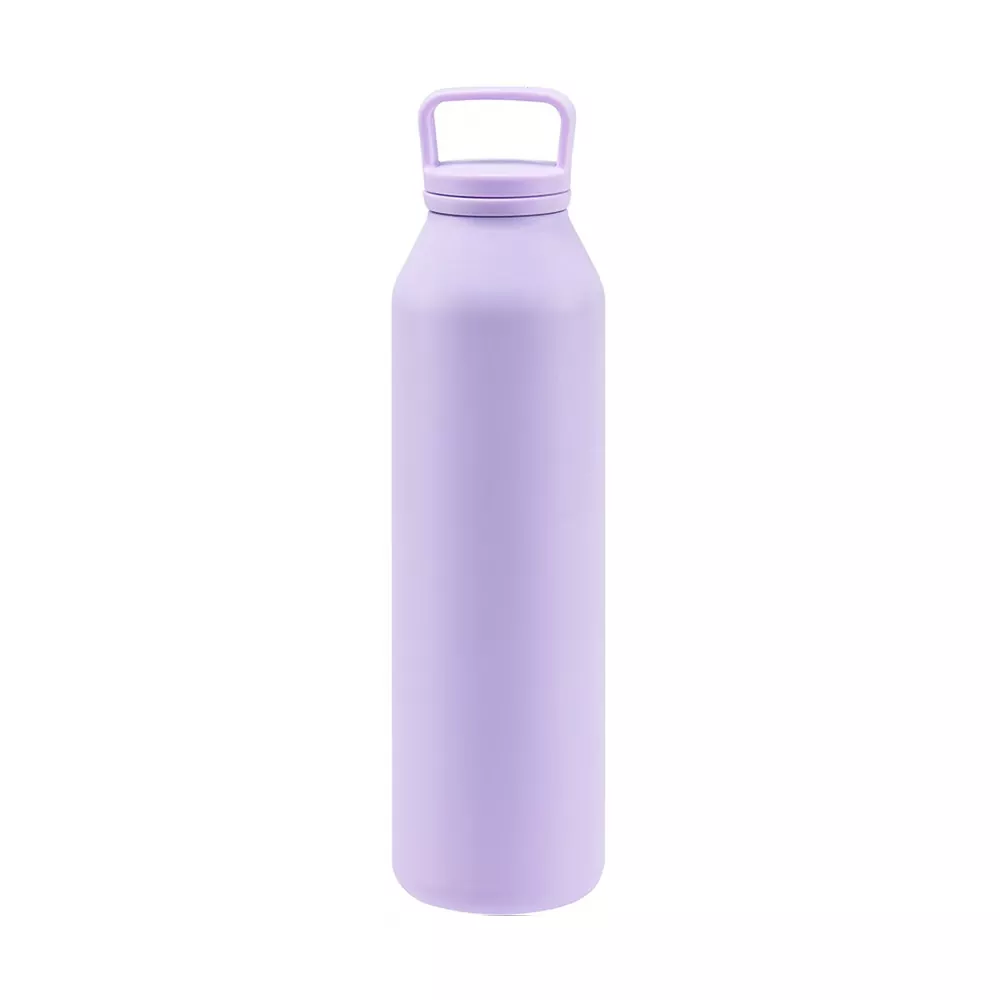
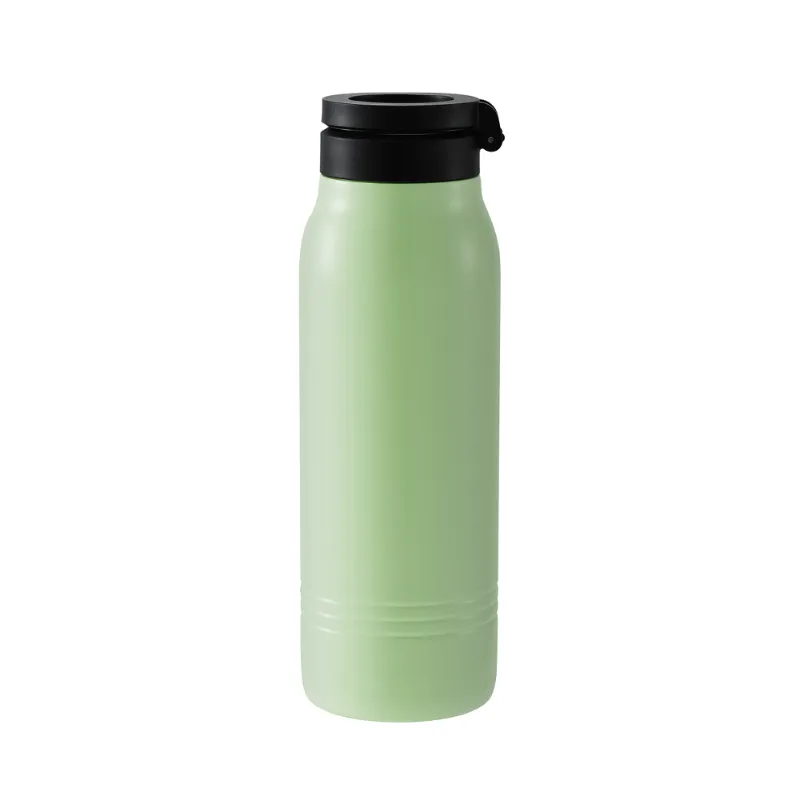
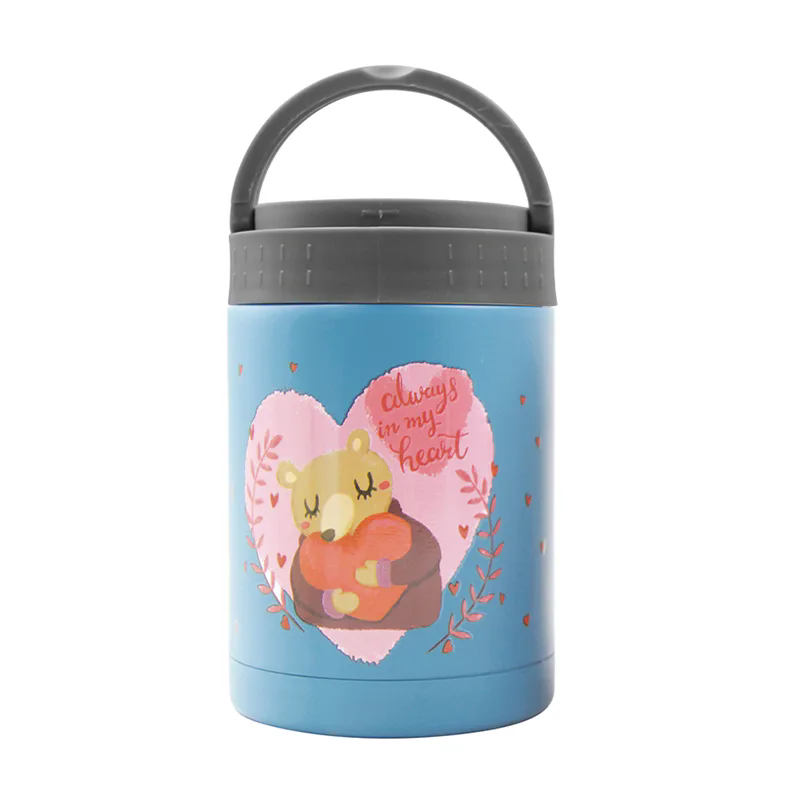
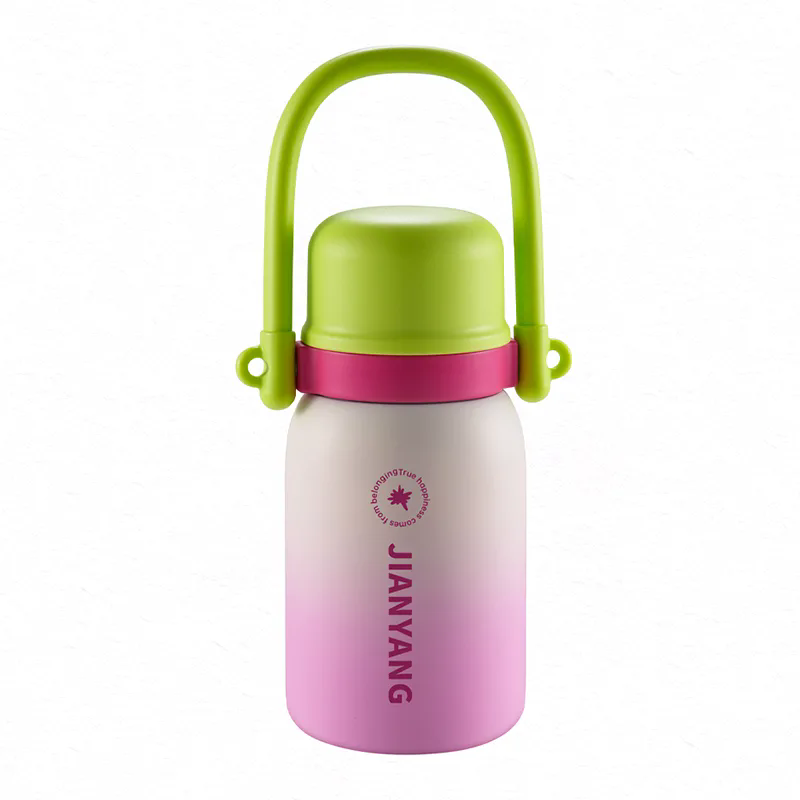
Are Stainless Steel Food Containers the Smartest Choice for Your Kitchen? | Yongkang Jianyang Metal
Stainless steel food containers have become the cornerstone of modern sustainable kitchens. But are they always the best option? This comprehensive guide examines every facet — from material safety and insulation to affordability and weight. We present unbiased pros & cons, compare grades (201 vs 304), and answer burning questions. Discover why manufacturers like Yongkang Jianyang Metal Co.,Ltd. are investing heavily in this category. Expect data-rich tables, real-world use cases, and a clear verdict on whether stainless steel fits your lifestyle.
The global shift toward waste-free living has propelled stainless steel food containers into the spotlight. Durable, sleek, and endlessly reusable, they promise to replace single-use plastics. But before you invest in a full set, you need honest answers. Below we dissect the topic using question-driven H tags and insights from industry leaders like Yongkang Jianyang Metal Co.,Ltd., a key player in the metal container manufacturing sector.
❓ What Exactly Are Stainless Steel Food Containers Made Of?
Stainless steel is an iron alloy containing chromium (minimum 10.5%), nickel, molybdenum, and carbon. The chromium creates a passive layer that resists rust and corrosion. For food containers, the most common grades are 304 (18/8) and 201. Yongkang Jianyang Metal Co.,Ltd. primarily uses 304 stainless steel for its premium line because of its higher nickel content, which adds extra corrosion resistance and a brighter finish. Lower-cost containers may use 201 steel (less nickel, more manganese) — still food-safe but less resistant to acidic foods.
❓ Why Choose Stainless Steel Over Plastic or Glass? (Key Advantages)
✅ Pros / Advantages
Durability: Virtually unbreakable compared to glass, won't crack or shatter.
Non-toxic & BPA-free: No chemical leaching even with hot or oily food.
Temperature retention: Insulated versions keep food hot/cold for hours.
Easy to clean: Doesn't absorb stains or smells (with proper care).
Aesthetic: Modern, sleek look that fits any kitchen.
❌ Cons / Disadvantages
Not microwave-safe: Metal in microwaves causes sparks and damage.
Weight: Heavier than plastic, though lighter than glass.
Potential dents: Can dent if dropped on hard surfaces.
Conductivity: Single-wall versions transfer heat quickly (can burn fingers).
Higher initial cost: Quality containers cost more than disposable plastic.
Some acidic foods may react with lower-grade steel (like 201).
According to Yongkang Jianyang Metal Co.,Ltd., the choice of steel thickness also matters: 0.5mm walls are lightweight but less rigid; 0.8mm offers premium feel.
❓ What Are the Hidden Disadvantages of Stainless Steel Containers?
Beyond the obvious cons, there are subtle drawbacks. For instance, stainless steel food containers with single-wall construction will make contents cool down fast if not preheated. Also, cheaper lids (often made of PE/PP) may degrade over time — always check lid quality. Another issue: if you use a dishwasher frequently, harsh detergents can dull the finish. Hand washing is recommended for longevity. Additionally, sharp utensils can scratch the interior, though it doesn't affect safety.
❓ 304 vs 201: Which Stainless Steel Grade Is Safer for Food?
Property
304 (18/8) Stainless Steel
201 Stainless Steel
Nickel content
8-10.5%
3.5-5.5%
Manganese content
≤2%
5.5-7.5%
Corrosion resistance
Excellent (especially against acids)
Good but lower in acidic/salty environments
Typical use
Premium food containers, medical equipment
Budget containers, kitchenware
Food safety rating
Ideal for long-term & all food types
Safe but avoid prolonged acidic food
Yongkang Jianyang Metal Co.,Ltd. recommends 304 for families who store leftovers like tomato sauce or citrus dishes. Their 201 series is marketed for dry goods storage.
❓ Can Stainless Steel Containers Go in the Microwave or Freezer?
Microwave: Absolutely NOT — metal reflects microwaves, potentially damaging the appliance and causing sparks. Always transfer food to a microwave-safe bowl. Freezer: Yes, but with caution. Most stainless steel containers are freezer-safe. However, if the container is filled to the brim, liquid expansion can warp the lid or body. Leave headspace. Also, sudden temperature changes (freezer to oven) are not recommended.
❓ How to Remove Odors and Stains from Stainless Steel Lunch Boxes?
Garlic, fish, or turmeric can leave smells or yellow stains. Simple remedy: make a paste of baking soda and warm water, scrub gently with a soft sponge, rinse. For stubborn smells, soak with white vinegar (1:3 with water) for 15 minutes. Avoid bleach — it can pit the steel. Yongkang Jianyang Metal Co.,Ltd. also offers containers with a nano-ceramic interior coating that resists staining.
❓ Frequently Asked Questions (FAQ)
Are stainless steel food containers better than glass for meal prep?
It depends on priorities. Stainless steel is unbreakable and lighter, ideal for commuters. Glass is microwave-safe and lets you see contents. If you often drop things, steel wins. If you rely on microwaves, glass might be easier. Many users combine both; Yongkang Jianyang Metal Co.,Ltd. even produces sets with glass lids for visibility.
Do stainless steel containers leach nickel into food?
High-quality 304 stainless steel has very low nickel migration — well within WHO safety limits. People with severe nickel allergies may consider titanium or glass, but for the vast majority, 304 steel is safe. Acidic foods stored for many days might increase trace migration, but not enough to cause concern.
Can I put boiling water in a stainless steel food container?
Yes. Single-wall containers will become hot outside — use a silicone sleeve. Double-wall vacuum insulated containers (like those from Yongkang Jianyang Metal Co.,Ltd.) are designed to keep exterior cool while retaining heat. Always test the temperature before handling.
How long do stainless steel food containers last?
Decades, if properly maintained. The metal itself doesn't degrade. The lids (usually silicone or PP plastic) may wear out in 1-3 years, but many manufacturers offer replacement lids. Yongkang Jianyang Metal Co.,Ltd. provides spare parts for most models.
📋 Best Uses for Stainless Steel Food Containers
Work / school lunches: Unbreakable, leak-proof options with separate compartments.
Pantry storage: Keep dry goods like rice, pasta, and cereal safe from pests.
Note: Some links are representative. Always check manufacturer specifications.
🍱 Ready to upgrade your kitchen? Choose quality you can trust.
For premium stainless steel food containers crafted with precision, look no further than Yongkang Jianyang Metal Co.,Ltd. — a certified manufacturer with 15+ years of export experience. Whether you need bulk wholesale or custom designs, we deliver durability and safety. Contact us.
We use cookies to offer you a better browsing experience, analyze site traffic and personalize content. By using this site, you agree to our use of cookies.
Privacy Policy