It is a familiar ritual: you grab a plastic water bottle from the convenience store cooler, twist off the cap, and take a refreshing sip. It is quick, convenient, and ubiquitous. But as you drink, have you ever wondered about the journey that water has taken? Or more importantly, what the bottle itself might be leaving behind in your drink? For decades, the plastic water bottle has been a symbol of modern convenience, but emerging scientific research and a growing public awareness of health and environmental issues have led many to reconsider their reliance on plastic. The result is a significant and growing movement toward reusable alternatives, with one material rising above the rest: stainless steel.
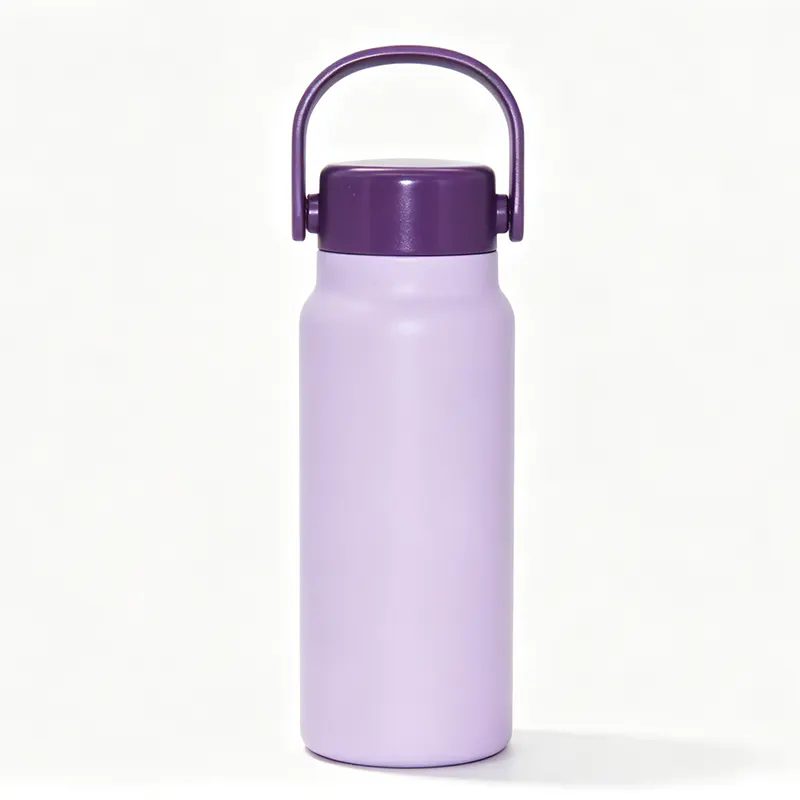
Stainless Steel Water Bottles offer a host of health and wellness benefits that plastic bottles simply cannot match. From avoiding endocrine-disrupting chemicals like BPA to providing a completely neutral taste, stainless steel provides a safer, cleaner, and more durable hydration solution. This article will explore the key health benefits of Stainless Steel Water Bottles over their plastic counterparts, examining the scientific evidence, the material properties, and the practical advantages that make them the superior choice for health-conscious individuals. We will delve into the risks associated with plastic, the protective qualities of stainless steel, and the long-term wellness advantages of making the switch.
To understand the health benefits of Stainless Steel Water Bottles, we must first understand the health risks associated with their plastic counterparts. Plastic water bottles are typically made from polyethylene terephthalate (PET or PETE), a material that is generally considered safe for single use. However, the concerns arise from the chemical compounds that can leach from the plastic into the water, particularly under certain conditions such as heat, sunlight, or repeated use. One of the most well-known of these compounds is bisphenol A (BPA), which is used in the production of polycarbonate plastics and epoxy resins.
BPA is an endocrine-disrupting chemical that can mimic the effects of estrogen in the body. Research has linked BPA exposure to a range of health issues, including reproductive disorders, early puberty, and an increased risk of certain cancers. While many plastic water bottles are now marketed as "BPA-free," this does not mean they are entirely safe. Many BPA-free plastics use alternative chemicals, such as bisphenol S (BPS) or bisphenol F (BPF), which have been shown to have similar endocrine-disrupting properties.
Another concern is the leaching of antimony, a heavy metal used as a catalyst in the production of PET plastic. Studies have shown that antimony can leach from plastic bottles into the water, especially when bottles are stored for long periods or exposed to heat. Antimony is classified as a potential carcinogen. The evidence is not conclusive, but it is sufficient to warrant caution. The World Health Organization has set a guideline limit for antimony in drinking water, and some studies have found levels in bottled water that exceed this limit.
Beyond chemical leaching, plastic bottles also pose a risk of bacterial contamination. The interior of a plastic bottle can develop biofilm, a layer of bacteria that can be difficult to remove with simple rinsing. Reusing a plastic bottle without thorough cleaning can lead to bacterial growth, potentially causing gastrointestinal issues. The problem is exacerbated by the fact that plastic bottles are not designed for repeated washing; they can degrade, crack, and harbor bacteria in the scratched surfaces.
Environmental considerations also have a direct link to health. The production and disposal of plastic bottles contribute to pollution and the proliferation of microplastics in the environment. Microplastics have been found in drinking water, food, and even in human blood and lung tissue. While the health implications of microplastic ingestion are still being studied, it is a growing concern that adds to the case for reducing plastic consumption.
The primary health benefit of Stainless Steel Water Bottles is their inert nature. Stainless steel is a stable alloy that does not leach chemicals into the water. Unlike plastic, which can release endocrine-disrupting compounds, stainless steel provides a completely clean and neutral environment for your beverage. The material is composed of iron, chromium, nickel, and other elements, which are bound together in a stable crystalline structure. This structure is non-porous and resistant to corrosion, preventing any chemical interaction with the water.
Food-grade stainless steel, typically 304 (18/8) or 316 (18/10) grade, is the standard for Stainless Steel Water Bottles. The numbers 18/8 and 18/10 refer to the percentage of chromium and nickel in the alloy. Chromium provides corrosion resistance, while nickel enhances durability and luster. Both 304 and 316 stainless steel are safe for contact with food and beverages. They have been extensively tested and are approved by the FDA, EFSA, and other regulatory bodies for food contact applications. These materials do not leach any substances into the water, even under acidic or alkaline conditions. This means you can fill your bottle with fruit-infused water, lemonade, or any other beverage without worrying about chemical contamination.
Our factory at Yongkang Jianyang Metal Co.,Ltd. specializes in the production of high-quality Stainless Steel Water Bottles using food-grade 304 stainless steel. We understand that the integrity of the material is the foundation of the health benefits we offer. By using premium stainless steel, we ensure that our bottles provide a safe, neutral, and pure drinking experience.
In addition to avoiding chemical leaching, stainless steel does not impart any unwanted flavors to the water. Plastic bottles can sometimes give water a "plastic" taste, especially after being exposed to heat or after the bottle has been used for a while. This is because plastic can absorb and release flavors from previous contents or from the material itself. Stainless steel is completely non-porous and non-reactive, so it preserves the pure, natural taste of the water. This is a major advantage for people who prefer the clean, crisp taste of fresh water.
Another health-related advantage of Stainless Steel Water Bottles is their resistance to bacterial growth. The smooth, non-porous surface of stainless steel does not provide a foothold for bacteria to colonize. With a simple wash, the bottle can be kept clean and hygienic. In contrast, the microscopic scratches and pores in plastic can harbor bacteria, leading to biofilm formation. This is a significant benefit for those who use their water bottles daily and want to minimize their exposure to harmful pathogens.
To illustrate the difference between plastic and stainless steel water bottles, consider the following comparison table:
| Feature | Plastic Water Bottle | Stainless Steel Water Bottle |
| Chemical Leaching | Can leach BPA, BPS, antimony, and other chemicals | Does not leach chemicals |
| Endocrine Disruption | Potential risk from BPA and BPA alternatives | No endocrine-disrupting chemicals |
| Bacterial Growth | Prone to biofilm formation in scratches | Non-porous, resists bacterial growth |
| Flavor | Can impart a plastic taste | Preserves pure water taste |
| Durability | Can crack, leach, or degrade | Highly durable, long-lasting |
One of the most practical and health-oriented advantages of Stainless Steel Water Bottles is their ability to maintain the temperature of the contents. This is achieved through the use of double-wall vacuum insulation. In this design, two layers of stainless steel are separated by a vacuum, which significantly reduces heat transfer. The inner wall holds the beverage, while the outer wall remains at a comfortable temperature. This technology allows Stainless Steel Water Bottles to keep cold drinks cold for up to 24 hours and hot drinks hot for up to 12 hours.
Temperature retention is more than just a matter of comfort; it has significant health and hydration benefits. Many people find that they drink more water when it is at a pleasant temperature. In hot weather, an ice-cold drink is more appealing, leading to better hydration. In cold weather, a hot beverage can be a comforting source of warmth and hydration. The ability to maintain the desired temperature for extended periods encourages consistent hydration, which is crucial for overall health and well-being. Dehydration can lead to fatigue, headaches, poor concentration, and a range of other health issues.
Stainless Steel Water Bottles also offer a better alternative to plastic for carrying hot beverages. Plastic bottles are not designed for hot liquids; they can warp, release chemicals, or even melt. Stainless steel can safely contain hot beverages without any risk of chemical leaching. This makes Stainless Steel Water Bottles ideal for tea, coffee, or other hot drinks. The insulation also protects the user from burns, as the outer surface remains cool to the touch.
Our factory at Yongkang Jianyang Metal Co.,Ltd. manufactures Stainless Steel Water Bottles with premium vacuum insulation. We use a double-wall, vacuum-insulated construction that significantly reduces heat transfer. We also employ a copper plating layer on the inner wall to further enhance thermal retention. Our bottles are designed and tested to keep drinks cold for 24 hours and hot for 12 hours, ensuring that your beverage is at the perfect temperature whenever you need it. This is a health and convenience benefit that is unmatched by plastic alternatives.
The table below provides a comparison of the temperature retention capabilities of different water bottle materials.
| Material | Cold Retention (hours) | Hot Retention (hours) | Key Feature |
| Single-Wall Stainless Steel | 2-4 | 2-4 | Lightweight, but limited insulation |
| Double-Wall Vacuum Stainless Steel | 24+ | 12+ | Superior temperature retention |
| Plastic | 1-2 | N/A | Limited temperature control |
| Glass | 1-2 | 1-2 | No insulation, fragile |
| Aluminum | 1-2 | 1-2 | Lightweight, limited insulation |
The health benefits of maintaining an optimal drinking temperature cannot be overstated. When your beverage is at a pleasant temperature, you are more likely to drink it, which promotes consistent hydration. This is particularly important for those who engage in outdoor activities, sports, or physically demanding professions, where staying hydrated is vital for performance and safety. Our Stainless Steel Water Bottles are designed to meet these needs, ensuring you have access to a refreshing, safe, and perfectly tempered drink wherever you are.
Hygiene and durability are two more critical health benefits of Stainless Steel Water Bottles. The material's resistance to bacteria and its robust construction provide a significant advantage over plastic. The smooth, non-porous surface of stainless steel prevents bacteria from adhering and forming a biofilm. Biofilm is a complex aggregation of microorganisms that can form on any surface that comes into contact with water. In a plastic bottle, the microscopic scratches and pores provide a perfect environment for bacteria to colonize. This can lead to the growth of pathogens that can cause gastrointestinal issues and other health problems.
The durability of Stainless Steel Water Bottles ensures that they do not harbor bacteria in damaged areas. Unlike plastic, which can crack and degrade over time, stainless steel is highly resistant to damage. It does not shatter or break easily. If the bottle is dropped, it will not crack or shatter. This is a significant advantage for anyone who uses their water bottle in a rugged environment, such as on a hike, at a construction site, or simply as part of a busy daily routine. The bottle remains intact and hygienic throughout its long life.
Furthermore, Stainless Steel Water Bottles are easy to clean and maintain. They can be washed with soap and water, and they are often dishwasher safe. The smooth, non-porous surface does not absorb odors or flavors, so cleaning is simple and effective. Plastic bottles can be difficult to clean thoroughly; they may retain odors and flavors, and the brushes used to clean them can scratch the plastic, creating more places for bacteria to hide. The ease of cleaning and the hygienic properties of stainless steel make these bottles a healthier choice for daily use.
Another aspect of hygiene is the avoidance of phthalates and other plasticizers. These chemicals are often added to plastics to increase flexibility. They can leach from plastic bottles, especially when exposed to heat, and have been associated with endocrine disruption. Stainless steel does not require these additives, eliminating the risk of phthalate exposure.
When selecting a Stainless Steel Water Bottle, it is important to understand the key technical specifications that define its quality and performance. The following table provides an overview of the most important specifications to consider.
| Specification | Description | Why It Matters |
| Material Grade | Food-grade 304 (18/8) or 316 (18/10) stainless steel | Ensures safety, corrosion resistance, and durability |
| Insulation Type | Double-wall vacuum insulation | Keeps drinks cold for up to 24 hours and hot for up to 12 hours |
| Capacity | 300 ml to 1,500 ml | Choose a size that fits your hydration needs |
| Lid Type | Screw-top, flip-top, or straw lid | Provides convenience and leak-proof sealing |
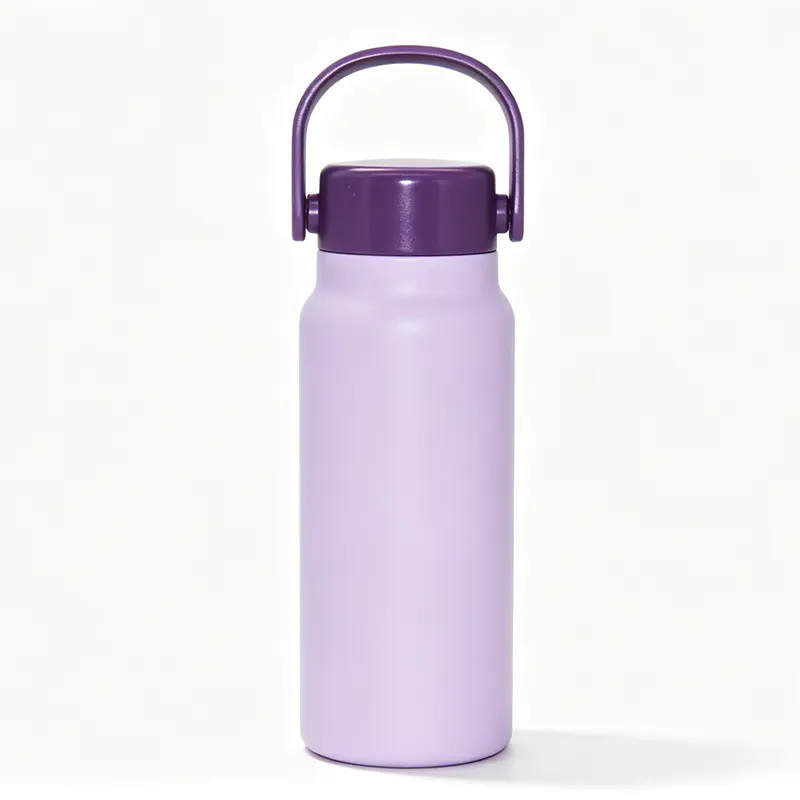
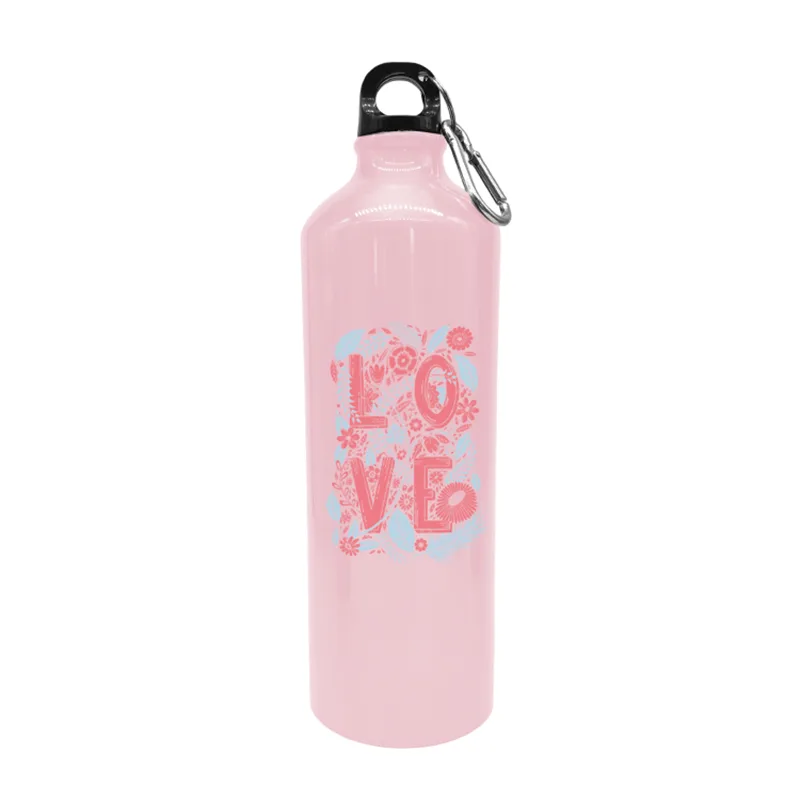
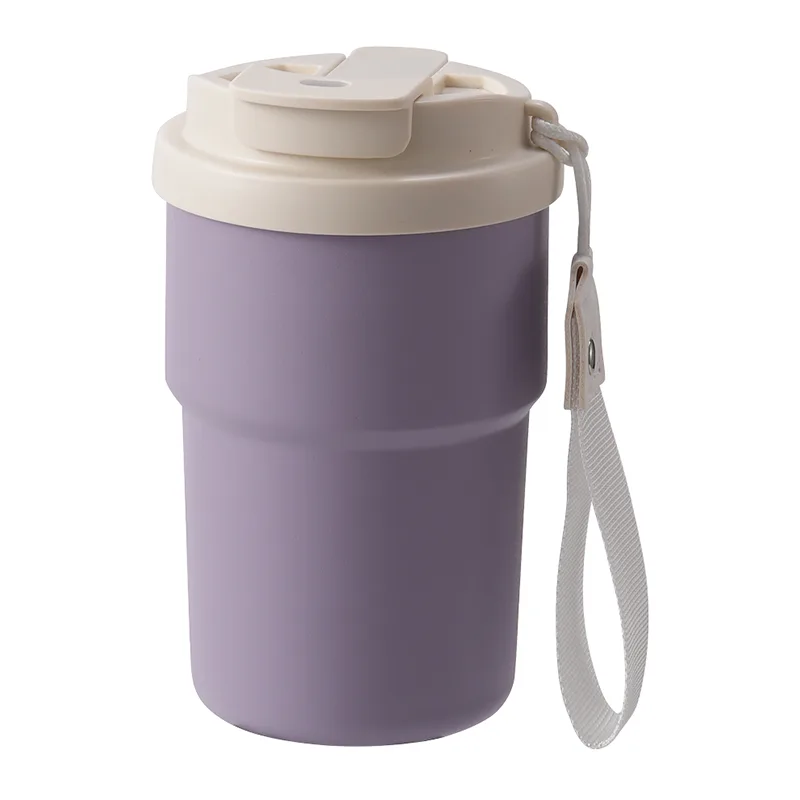
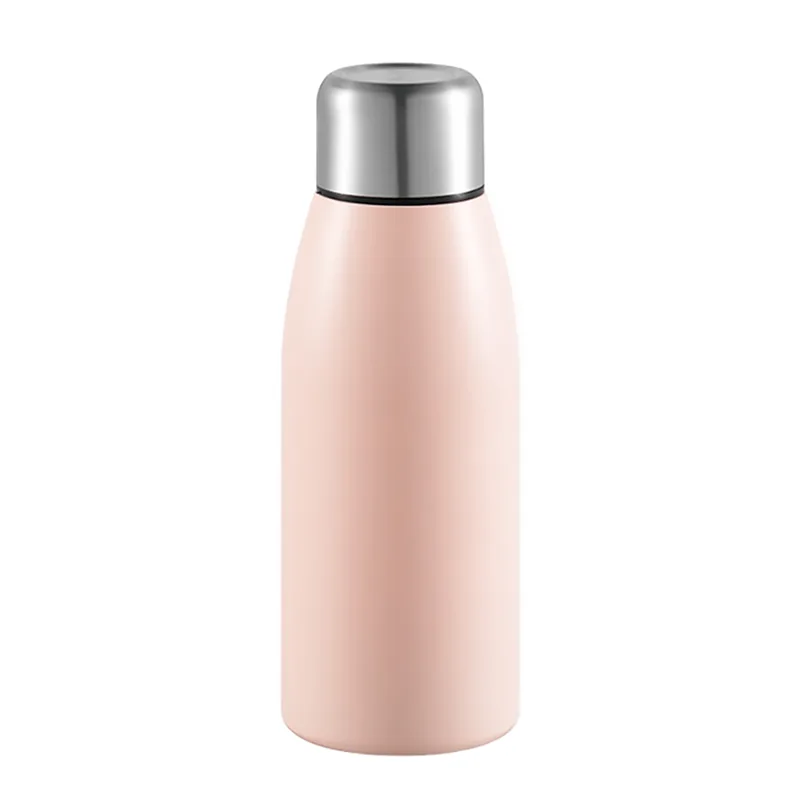
| Coating | Powder-coated or painted finish | Provides grip and aesthetic appeal |
| Leak-Proof Design | Leak-proof lid and sealing mechanism | Prevents spills and keeps contents secure |
| BPA-Free | No BPA or other harmful chemicals | Ensures chemical safety |
| Dishwasher Safe | Easy to clean | Convenient maintenance |
At Jianyang, we manufacture our Stainless Steel Water Bottles to the highest standards of quality and safety. We use food-grade 304 stainless steel, double-wall vacuum insulation, and leak-proof lids to ensure that our bottles deliver the best performance. Our bottles are available in a variety of sizes, colors, and designs, making it easy to find the perfect bottle for your needs. We are committed to providing our customers with products that support their health and well-being.
Question 1: Are stainless steel water bottles safe for use with hot beverages?
Answer: Yes, Stainless Steel Water Bottles are perfectly safe for use with hot beverages. The material does not leach chemicals or release harmful substances when exposed to hot liquids. In fact, many Stainless Steel Water Bottles are designed with double-wall insulation to keep hot beverages hot for up to 12 hours. This is a significant advantage over plastic bottles, which can warp, melt, or release toxins when filled with hot liquids. Our Stainless Steel Water Bottles are manufactured with this purpose in mind, ensuring safety and convenience.
Question 2: Can I put fruit-infused water or acidic beverages in a stainless steel water bottle?
Answer: Yes, you can safely put fruit-infused water, lemonade, or other acidic beverages in a Stainless Steel Water Bottle. The food-grade 304 stainless steel used in our bottles is resistant to acidic conditions and does not react with the beverages. This ensures that your drink retains its pure flavor and is free from any chemical contamination. However, we recommend cleaning the bottle promptly after use to prevent any potential staining or residue build-up.
Question 3: How do I clean a stainless steel water bottle to ensure hygiene?
Answer: To clean your Stainless Steel Water Bottle, we recommend washing it with warm, soapy water and a soft sponge or bottle brush. The bottle can also be placed in the dishwasher for a thorough cleaning. The smooth, non-porous surface of the stainless steel makes it easy to clean and prevents bacteria from adhering. Regular cleaning will ensure that your bottle remains hygienic and odor-free. Avoid using abrasive cleaners or steel wool, which can scratch the surface.
Question 4: Are there any health concerns with the coatings or paints used on stainless steel water bottles?
Answer: High-quality Stainless Steel Water Bottles use powder coatings or paints that are free from harmful chemicals. Our factory uses food-safe, lead-free, and BPA-free coatings that are safe for contact with your lips and hands. We adhere to strict safety standards to ensure that every component of our bottles is safe for use. If you have concerns, we recommend choosing a bottle with a clear or brushed finish.
Question 5: How does the cost of stainless steel water bottles compare to plastic bottles?
Answer: The initial cost of a Stainless Steel Water Bottle is higher than that of a plastic disposable bottle. However, a Stainless Steel Water Bottle is a reusable product that can last for years, making it a cost-effective choice in the long run. It also offers significant health and environmental benefits. When you consider the cost of purchasing disposable plastic bottles over time, the Stainless Steel Water Bottle quickly becomes the more economical option. Our bottles are designed to provide long-term value and performance.
The choice of water bottle is not just a matter of convenience; it is a health decision with significant implications. While plastic bottles offer convenience, they come with a range of health risks, including chemical leaching, bacterial growth, and potential endocrine disruption. Stainless Steel Water Bottles offer a safer, healthier, and more environmentally friendly alternative. They do not leach chemicals, they provide superior hygiene, they maintain beverage temperature, and they are durable and long-lasting.
Switching to Stainless Steel Water Bottles is a simple yet impactful step toward improving your daily health and well-being. By choosing a bottle made from high-quality materials, you can enjoy pure, clean water without the hidden risks of plastic. At Jianyang, we are proud to offer a wide range of Stainless Steel Water Bottles that are designed to meet the needs of health-conscious individuals. Our bottles are made from food-grade 304 stainless steel, feature double-wall vacuum insulation, and are leak-proof and durable.
We invite you to explore our range of Stainless Steel Water Bottles and experience the benefits for yourself. Our team is available to answer any questions you may have and to help you find the perfect bottle for your lifestyle. Make the switch to a healthier hydration solution today.
Contact Yongkang Jianyang Metal Co.,Ltd. today to learn more about our high-quality Stainless Steel Water Bottles and take the first step towards a healthier, more sustainable choice.