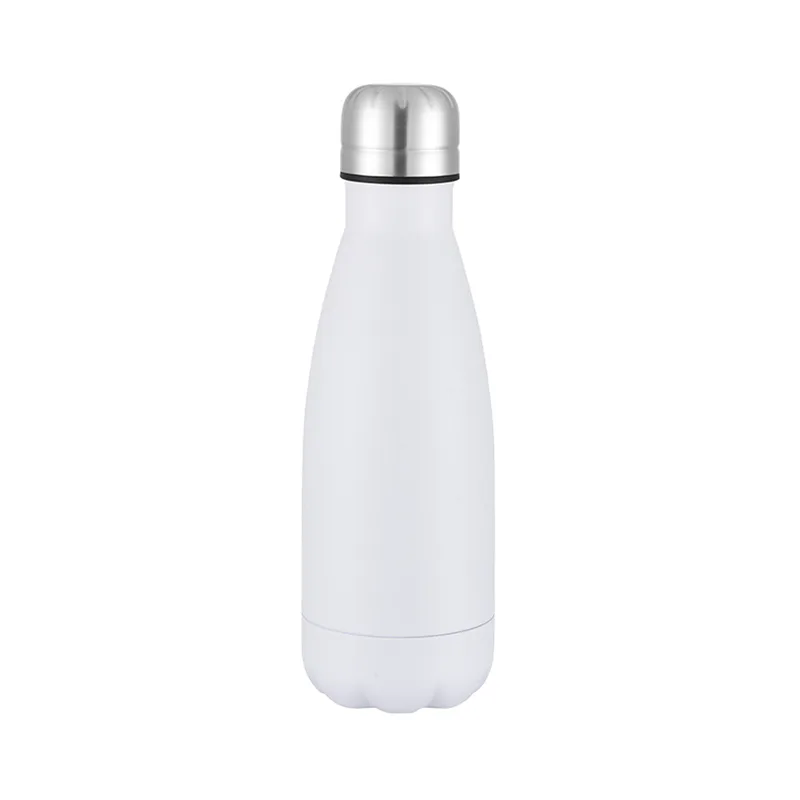
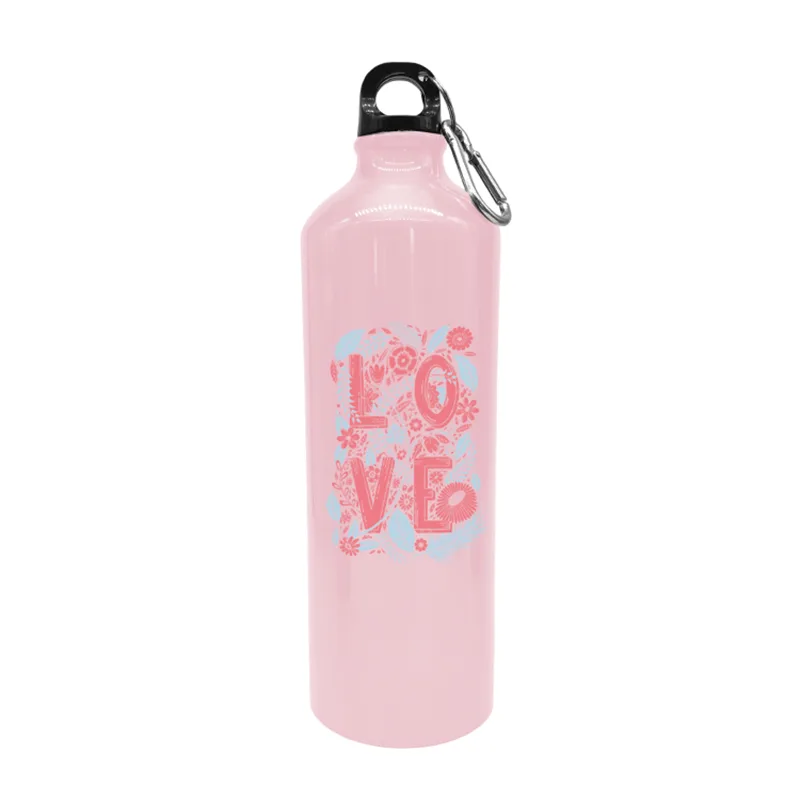
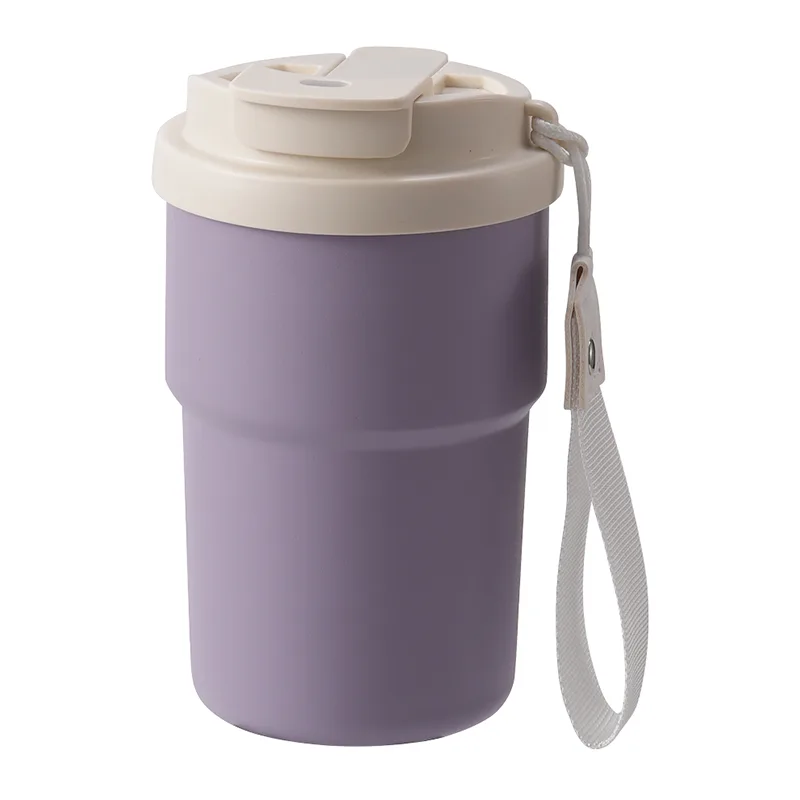
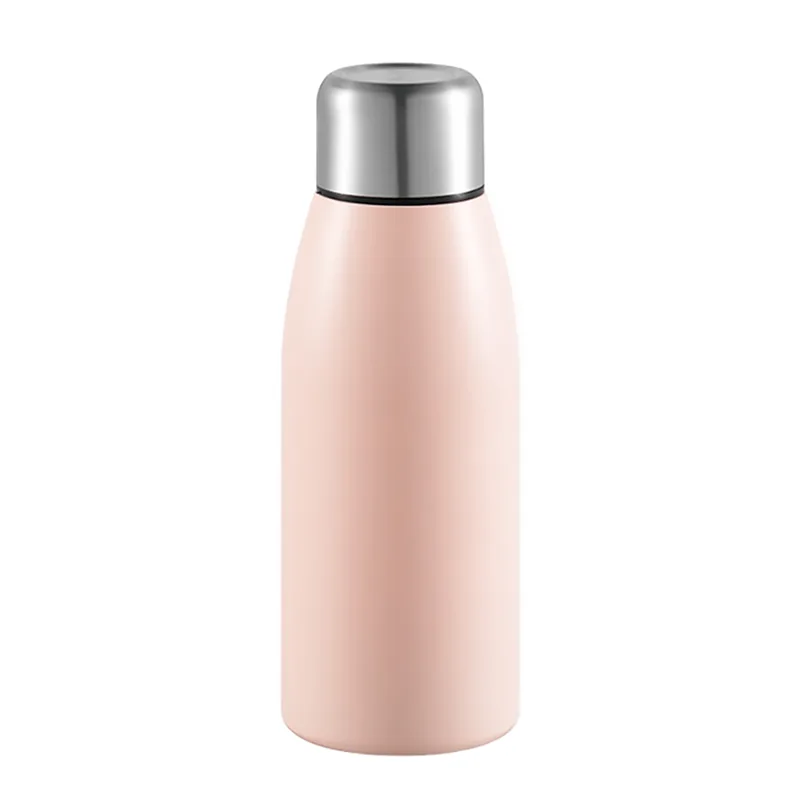
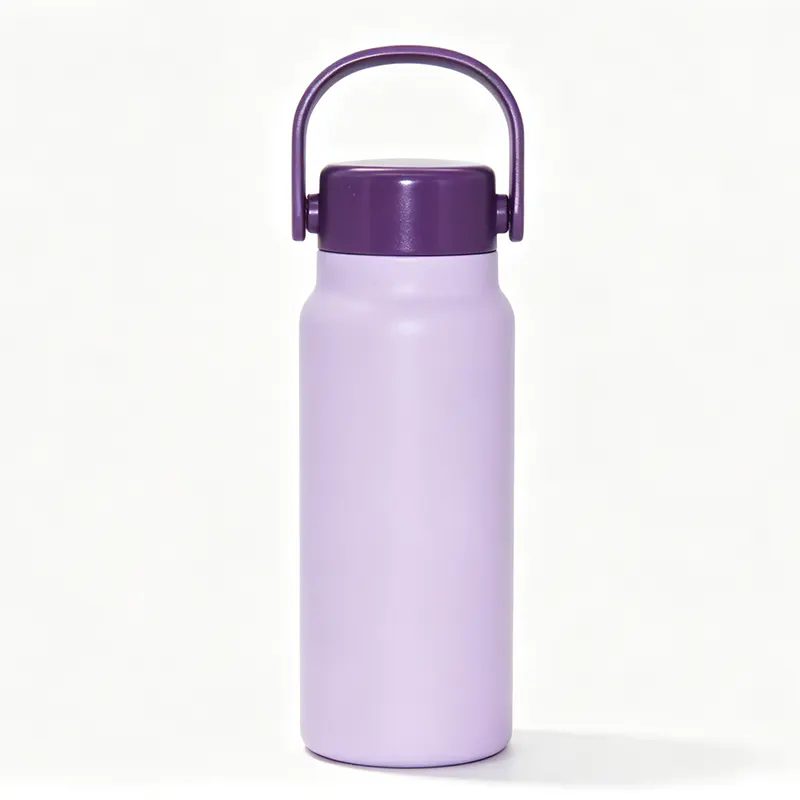
A stainless steel water bottle is often taken for granted. It is dropped on concrete, tossed into a backpack, left in a hot car, and filled with everything from acidic fruit juice to alkaline electrolyte drinks. Yet, after years of this abuse, it remains intact, leak-free, and free of rust. This durability is not a coincidence. It is the result of a carefully engineered combination of material science, metallurgy, and manufacturing precision. The stainless steel used in quality water bottles is not a single material; it is a family of iron-based alloys that contain chromium, nickel, and other elements in precise proportions. These alloys are designed to resist two distinct failure modes: corrosion, which is chemical degradation, and deformation, which is mechanical failure under load.
To understand why Stainless Steel Water Bottles resist corrosion and deformation, we must examine the material at the microscopic level. The chromium in the alloy reacts with oxygen in the air or water to form a thin, invisible, and self-healing layer of chromium oxide on the surface. This passive film is the primary defense against corrosion. It is less than 5 nanometers thick, yet it is impermeable to water, oxygen, and most chemicals. If the film is scratched, it immediately reforms, provided that sufficient oxygen is available. The deformation resistance, on the other hand, comes from the alloy's crystal structure and the manufacturing processes—such as cold working—that increase its yield strength. This article will provide a comprehensive technical analysis of the corrosion and deformation resistance of Stainless Steel Water Bottles, covering material grades, passive film formation, cold working, and quality control. We will also provide detailed product specifications from our factory at Yongkang Jianyang Metal Co.,Ltd.
The passive film is the cornerstone of corrosion resistance in Stainless Steel Water Bottles. It is a naturally occurring, ultra-thin layer of chromium oxide (Cr₂O₃) that forms spontaneously on the surface of the steel when chromium is exposed to oxygen. The film is typically 1-3 nanometers thick, which is approximately one ten-thousandth of the thickness of a human hair. Despite its thinness, the passive film is remarkably effective. It is chemically inert, electrically non-conductive, and impermeable to water and oxygen. It acts as a barrier that prevents the underlying iron from coming into contact with the corrosive environment. If the passive film is damaged by a scratch or abrasion, it will reform within seconds, provided that oxygen is present. This self-healing property is what makes stainless steel "stainless."
To understand how the passive film prevents corrosion, consider the electrochemical reactions that occur when iron is exposed to water and oxygen. Iron has a natural tendency to oxidize, forming rust (hydrated iron oxide). Rust is porous and non-adherent, so it flakes off, exposing fresh iron to further corrosion. The passive film on stainless steel, by contrast, is non-porous and strongly adherent. It prevents the electrochemical reaction from proceeding by blocking the transport of ions and electrons. The film is also stable over a wide range of pH values, although it can be attacked by strong acids, strong bases, and chloride ions. This is why stainless steel water bottles are not recommended for long-term storage of highly acidic or salty liquids. The following table summarizes the properties of the passive film on stainless steel.
| Property | Value/Description | Impact on Corrosion Resistance |
| Thickness | 1-3 nanometers | Thin but highly effective barrier |
| Composition | Chromium oxide (Cr₂O₃) | Chemically inert, stable in most environments |
| Formation Time | Spontaneous, within seconds | Self-healing after damage |
| pH Stability | pH 4 to 12 | Not suitable for strong acids or bases |
| Chloride Resistance | Limited (depends on grade) | Pitting can occur in high-chloride environments |
The passive film is not a permanent, static layer. It is a dynamic, living surface that responds to its environment. In oxidizing environments, the film grows thicker and more protective. In reducing environments, the film may become thinner and less protective. This is why the selection of the correct grade of stainless steel is so important. A grade with a higher chromium content, such as 316, forms a more robust passive film that is more resistant to chlorides. At Yongkang Jianyang Metal Co.,Ltd., we use only high-grade stainless steel from certified suppliers, and we verify the composition of every batch to ensure that our Stainless Steel Water Bottles deliver the corrosion resistance our customers expect.
The corrosion resistance of a Stainless Steel Water Bottle is not a single property; it is determined by the specific grade of stainless steel used in its construction. Stainless steel is not a single material; it is a family of alloys, each with a different composition and different properties. The most common grades used in water bottle manufacturing are 304 and 316. The difference between these grades lies in their alloying elements, particularly chromium, nickel, and molybdenum. Understanding these differences is essential for selecting the right material for a specific application.
Grade 304 stainless steel is the most common grade used in water bottles. It contains approximately 18% chromium and 8% nickel. This combination provides excellent corrosion resistance in most environments, including fresh water, mild acids, and alkaline solutions. Grade 304 is also easy to form and weld, making it ideal for mass production. However, grade 304 is susceptible to pitting corrosion in environments with high chloride concentrations, such as seawater or saltwater. Grade 316 stainless steel is a higher-grade alloy that contains approximately 16% chromium, 10% nickel, and 2% molybdenum. The addition of molybdenum significantly improves the resistance to pitting and crevice corrosion, particularly in chloride-rich environments. Grade 316 is also more resistant to acids and alkalis than 304. The trade-off is that 316 is more expensive and slightly more difficult to machine. The following table compares the composition and properties of these two grades.
| Property | Grade 304 | Grade 316 |
| Chromium Content (%) | 18 - 20 | 16 - 18 |
| Nickel Content (%) | 8 - 10.5 | 10 - 14 |
| Molybdenum Content (%) | 0 | 2 - 3 |
| Corrosion Resistance (General) | Excellent | Excellent |
| Pitting Resistance (Chlorides) | Moderate | Excellent |
| Typical Applications | Standard water bottles | Premium bottles, marine use |
At Yongkang Jianyang Metal Co.,Ltd., we manufacture Stainless Steel Water Bottles in both 304 and 316 grades. We work with our customers to understand their specific requirements and recommend the appropriate grade. For standard hydration applications, 304 is an excellent choice. For applications where the bottle will be exposed to saltwater, chlorinated water, or acidic beverages, 316 is the superior choice. Our factory also offers a 316L variant, which has a lower carbon content and is even more resistant to intergranular corrosion. We also use a 201 grade for budget applications, but we always inform our customers about the differences in performance.
Corrosion resistance is only half the story. A Stainless Steel Water Bottle must also resist deformation. It must withstand being dropped, sat on, or crushed in a backpack. The deformation resistance of stainless steel is determined by its yield strength, which is the stress at which the material begins to deform plastically. The yield strength of stainless steel can be significantly increased through a process known as cold working. Cold working is the process of shaping the metal at room temperature, typically by rolling, drawing, or pressing. During cold working, the crystal structure of the metal is distorted, and the dislocations within the crystal lattice become entangled, making it harder for the metal to deform further. This is known as work hardening.
The manufacturing of a Stainless Steel Water Bottle involves several cold working steps. The most important is the deep drawing process, in which a flat disc of stainless steel is pressed into a cylindrical shape by a punch and die. Deep drawing significantly work-hardens the material. The body of the bottle is drawn from a single piece of steel, which means that the walls are strengthened by the drawing process. The neck of the bottle is then formed by a spinning or necking process, which further work-hardens the material. The result is a bottle with a high yield strength that can resist deformation. The table below shows the typical yield strength of 304 stainless steel in different conditions.
| Condition | Yield Strength (MPa) | Typical Application |
| Annealed (Soft) | 205 - 310 | Starting material for deep drawing |
| Cold Worked (Light) | 310 - 450 | Bottle body after drawing |
| Cold Worked (Heavy) | 450 - 650 | Bottle neck and threads |
| Cold Worked (Severe) | 650 - 900 | High-strength components |
The cold working process is carefully controlled to achieve the desired balance of strength and ductility. If the material is over-worked, it can become too brittle and may crack under impact. If it is under-worked, it may not have sufficient strength to resist deformation. Our factory at Jianyang uses a combination of finite element analysis and physical testing to optimize the cold working process for each bottle design. We also use intermediate annealing steps, where the material is heated to relieve stress and restore ductility, before further cold working. This ensures that our Stainless Steel Water Bottles have the optimal combination of strength and toughness.
The wall thickness of a Stainless Steel Water Bottle is a critical parameter that affects both its deformation resistance and its weight. A thicker wall provides greater resistance to denting and crushing, but it also adds weight. A thinner wall is lighter, but it is more susceptible to deformation. The optimal wall thickness depends on the intended use of the bottle and the expected level of abuse. For a bottle that will be used in a rugged outdoor environment, a thicker wall is preferred. For a bottle that will be used in an office or gym, a thinner wall may be sufficient. The wall thickness is not uniform throughout the bottle; it is typically thicker at the bottom and the neck, where the stresses are highest, and thinner in the middle of the body.
The wall thickness is determined by the deep drawing process. The initial thickness of the steel disc is chosen based on the final thickness required. During drawing, the material thins as it is stretched. The amount of thinning depends on the draw ratio, which is the ratio of the blank diameter to the punch diameter. A higher draw ratio results in more thinning. The wall thickness can also be controlled by ironing, a process in which the wall is thinned by forcing it through a die with a smaller clearance. The following table provides typical wall thicknesses for different bottle sizes and applications.
| Bottle Type | Typical Wall Thickness (mm) | Weight (g) | Deformation Resistance |
| Lightweight (500ml) | 0.3 - 0.4 | 150 - 200 | Moderate |
| Standard (750ml) | 0.4 - 0.5 | 250 - 350 | Good |
| Heavy-Duty (1000ml) | 0.5 - 0.6 | 400 - 500 | Excellent |
| Insulated (500ml) | 0.4 - 0.5 (inner and outer) | 300 - 400 | Very Good |
At Jianyang, we offer Stainless Steel Water Bottles in a range of wall thicknesses to meet different customer requirements. We also offer double-wall insulated bottles, which consist of two walls with a vacuum between them. The double-wall construction not only provides thermal insulation but also increases the structural rigidity of the bottle. The inner and outer walls act as a composite structure, providing greater resistance to deformation than a single-wall bottle of the same thickness. Our factory uses advanced welding and vacuum sealing technology to ensure that our insulated bottles are durable and leak-free.
The surface finish of a Stainless Steel Water Bottle is not just a matter of aesthetics; it also affects the corrosion resistance and the deformation resistance of the bottle. The surface finish determines the smoothness of the surface, which in turn affects the ability of the passive film to form and remain intact. A smooth surface is less likely to trap contaminants, such as chloride ions, that can attack the passive film. A rough surface, on the other hand, can create crevices that are deprived of oxygen, leading to crevice corrosion. The surface finish also affects the mechanical properties of the bottle. A polished surface has a lower coefficient of friction, making it more resistant to scratches and abrasion.
There are several types of surface finishes used in Stainless Steel Water Bottles. The most common are brushed, polished, and powder-coated. A brushed finish is created by rubbing the surface with an abrasive material, which produces a unidirectional grain. A polished finish is created by buffing the surface with a fine abrasive, which produces a mirror-like surface. A powder-coated finish is created by applying a dry powder to the surface and then curing it under heat to form a durable, protective layer. The table below summarizes the characteristics of these finishes.
| Finish Type | Surface Roughness (Ra, µm) | Corrosion Resistance | Scratch Resistance | Typical Application |
| Brushed | 0.4 - 0.8 | Good | Moderate | Sporty, rugged designs |
| Polished | 0.1 - 0.2 | Excellent | Low (shows scratches) | Premium, elegant designs |
| Powder-Coated | 2.0 - 5.0 | Excellent (barrier protection) | High | Custom colors, branding |
| Matte (Bead Blasted) | 0.8 - 1.2 | Very Good | High | Modern, minimalist designs |
At Yongkang Jianyang Metal Co.,Ltd., we offer a range of surface finishes for our Stainless Steel Water Bottles. Our factory uses automated polishing and brushing machines to ensure a consistent finish on every bottle. We also offer powder coating in a wide range of colors and textures. For customers who require the highest level of corrosion resistance, we recommend a polished finish, as it provides the smoothest surface and the most uniform passive film. For customers who require a high level of scratch resistance, we recommend a powder-coated finish, which provides a durable barrier against mechanical damage. We also offer a passivation treatment, in which the bottle is immersed in an acid solution to remove any surface contaminants and enhance the passive film.
Question 1: What is the difference between 304 and 316 stainless steel for water bottles?
Answer: The main difference between 304 and 316 stainless steel is the addition of molybdenum in 316. This makes 316 more resistant to pitting and crevice corrosion, particularly in chloride-rich environments such as saltwater. For standard hydration with fresh water and most beverages, 304 is perfectly adequate. For use in marine environments or with salty or highly acidic drinks, 316 is the better choice. Both grades are durable and safe for food contact. Our factory at Yongkang Jianyang Metal Co.,Ltd. manufactures bottles in both grades and can help you select the right one for your application.
Question 2: Can stainless steel water bottles rust?
Answer: Stainless steel water bottles can rust under certain conditions, but it is rare. Rust can occur if the passive film is damaged and cannot reform, which can happen in environments with high chloride concentrations, such as seawater, or if the bottle is exposed to strong acids or bases for extended periods. Rust can also occur if the bottle is contaminated with iron particles from other sources, such as steel wool. To prevent rust, clean the bottle regularly with mild soap and water, and avoid using abrasive cleaners that can damage the passive film. If rust does appear, it can usually be removed with a mild abrasive or a vinegar solution.
Question 3: How can I tell if a stainless steel water bottle is made of high-quality material?
Answer: There are several indicators of quality in a stainless steel water bottle. First, check the grade of the stainless steel. A quality bottle will specify 304 or 316 stainless steel. Second, check the wall thickness. A thicker wall generally indicates a more durable bottle. Third, check the weld quality. A high-quality bottle will have smooth, clean welds with no visible defects. Fourth, check the surface finish. A uniform, defect-free finish indicates good manufacturing quality. Finally, check for certifications, such as FDA or LFGB, which indicate that the bottle is safe for food contact. Our factory provides full material certification and test reports for all our Stainless Steel Water Bottles.
Question 4: Does cold working make stainless steel water bottles brittle?
Answer: Cold working increases the strength and hardness of stainless steel, but it can also reduce its ductility, making it more brittle. However, the cold working processes used in water bottle manufacturing are carefully controlled to achieve a balance between strength and ductility. The material is not cold worked to the point of embrittlement. In addition, intermediate annealing steps are used to relieve stress and restore ductility. As a result, high-quality Stainless Steel Water Bottles are both strong and durable, and they can withstand impact without cracking.
Question 5: How does the passive film repair itself if it is scratched?
Answer: The passive film repairs itself through a process called repassivation. When the film is scratched, the underlying chromium is exposed to oxygen in the air or water. The chromium immediately reacts with the oxygen to form a new layer of chromium oxide. This process occurs within seconds, provided that oxygen is available. This is why stainless steel is self-healing and why it is so resistant to corrosion. To ensure that the passive film can repair itself, it is important to keep the surface clean and to avoid environments that are deprived of oxygen.
The corrosion and deformation resistance of Stainless Steel Water Bottles is the result of a sophisticated combination of material science and manufacturing engineering. The passive film, formed by the reaction of chromium with oxygen, provides the primary defense against corrosion. The grade of stainless steel determines the robustness of this film and its resistance to specific environments. The cold working processes used in manufacturing increase the yield strength of the material, providing resistance to deformation. And the surface finish, wall thickness, and quality control measures all contribute to the final performance of the bottle. At Yongkang Jianyang Metal Co.,Ltd., we are committed to manufacturing Stainless Steel Water Bottles that meet the highest standards of quality and durability. Our factory uses premium materials, advanced manufacturing processes, and rigorous quality control to ensure that every bottle we produce delivers reliable performance.
Whether you are a brand owner looking for a reliable manufacturing partner or a consumer seeking a durable and safe water bottle, we invite you to contact us to learn more about our products and capabilities. Our team of experienced engineers and technicians is ready to assist you with your specific requirements.
Contact Yongkang Jianyang Metal Co.,Ltd. today to discuss your Stainless Steel Water Bottle requirements and discover how our manufacturing expertise can deliver the quality and durability you need.
-