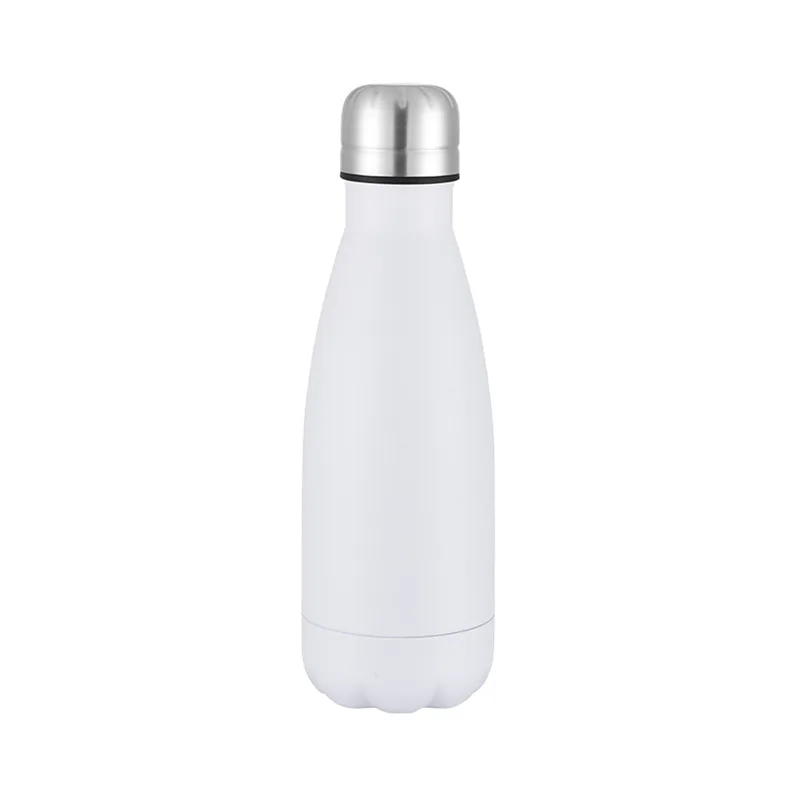
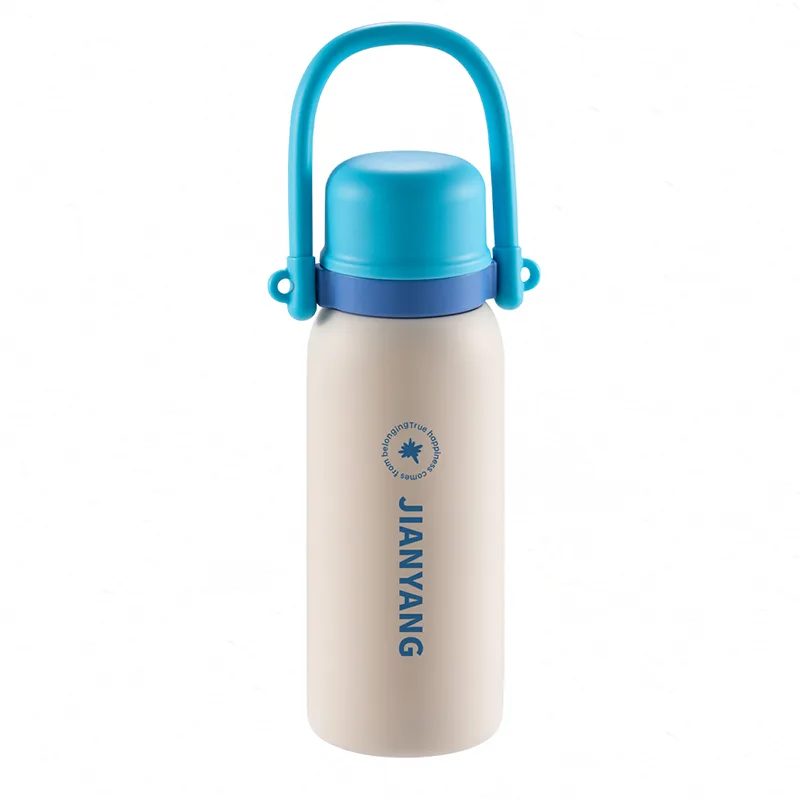
A growing number of consumers are reading labels more carefully than ever before. They scan ingredient lists, avoid artificial additives, and question the materials that come into contact with their food and water. One of the most common concerns is BPA, a chemical that has been linked to potential health risks and is found in many plastic products, including some water bottles. The search for a safe, durable, and healthy alternative has led millions of consumers to switch to Stainless Steel Water Bottles. But what exactly makes stainless steel BPA-free and non-toxic? The answer is not simply that stainless steel does not contain BPA; it is that the entire material system—the alloy, the manufacturing process, and the surface finish—is inherently inert and safe for human contact.
This article will provide a systematic technical analysis of why Stainless Steel Water Bottles are BPA-free and non-toxic. We will examine the chemical composition of stainless steel, explain why BPA and other harmful chemicals are absent from the material, discuss the role of manufacturing processes in ensuring safety, and provide detailed specifications for our Stainless Steel Water Bottles from our factory at Yongkang Jianyang Metal Co.,Ltd. Whether you are a concerned consumer, a retailer selecting products for health-conscious customers, or a brand owner developing a new line of safe hydration products, this guide will provide the technical foundation you need to understand and communicate the safety advantages of stainless steel.
BPA, or bisphenol A, is an industrial chemical that has been used since the 1960s to make certain plastics and resins. It is found in polycarbonate plastics, which are used in some water bottles, food storage containers, and baby bottles. It is also used in epoxy resins that line the inside of metal cans. BPA can leach into food and beverages from these containers, especially when they are heated or when they are used for extended periods. The concern about BPA arises from its ability to mimic estrogen in the body. Studies have linked BPA exposure to a range of health effects, including reproductive disorders, developmental problems in children, and an increased risk of certain cancers. While regulatory agencies have established safe limits for BPA exposure, many consumers choose to avoid it altogether as a precautionary measure.
The presence of BPA in plastic water bottles has been a particular concern because these bottles are often used repeatedly and may be exposed to heat, which accelerates the leaching process. The table below summarizes the key concerns associated with BPA and the reasons consumers seek alternatives.
| Concern | Details |
| Endocrine Disruption | BPA mimics estrogen, potentially affecting hormone balance |
| Developmental Effects | Potential impact on brain and reproductive system development in children |
| Leaching Risk | BPA can leach from containers, especially when heated |
| Consumer Demand | Growing demand for BPA-free and non-toxic products |
At Yongkang Jianyang Metal Co.,Ltd., we understand the importance of providing safe, non-toxic hydration solutions. Our Stainless Steel Water Bottles are manufactured without BPA, phthalates, or other harmful chemicals, providing consumers with a reliable alternative to plastic bottles.
The fundamental reason Stainless Steel Water Bottles are BPA-free is that stainless steel is an inorganic metal alloy. BPA is an organic chemical compound used in the production of certain plastics and resins. Stainless steel contains no carbon-based organic compounds, and therefore no BPA. The primary elements in stainless steel are iron, chromium, nickel, and molybdenum. These elements are metals, not organic chemicals, and they do not have the same toxicological profile as BPA. Chromium, for example, is an essential trace element that is required for normal glucose metabolism. Nickel is also a trace element, although some people are allergic to it. Molybdenum is another trace element that is essential for certain enzyme functions. These elements are tightly bound within the metallurgical structure of the stainless steel, and they do not leach out in significant quantities under normal use conditions. The table below summarizes the composition of the two most common stainless steel grades used for water bottles.
| Element | 304 Stainless Steel (%) | 316 Stainless Steel (%) |
| Iron (Fe) | Balance | Balance |
| Chromium (Cr) | 18 - 20 | 16 - 18 |
| Nickel (Ni) | 8 - 10.5 | 10 - 14 |
| Molybdenum (Mo) | — | 2 - 3 |
| Carbon (C) | < 0.08 | < 0.08 |
| Manganese (Mn) | < 2.0 | < 2.0 |
| BPA | None | None |
In addition to being BPA-free, stainless steel is also free from phthalates, which are another class of chemicals used to soften plastics and which have been linked to health concerns. Stainless steel is also free from lead and cadmium, which can be present in some lower-quality metal products. At our factory, we use only high-grade stainless steel from certified suppliers, and we test every batch to verify that it meets our strict material specifications.
The safety of a Stainless Steel Water Bottle is not just about the material itself; it is also about how the bottle is manufactured. The manufacturing process can introduce contaminants or create surface conditions that affect the safety of the final product. At Yongkang Jianyang Metal Co.,Ltd., our factory follows a rigorous manufacturing process that is designed to ensure the safety and non-toxicity of our Stainless Steel Water Bottles. The process begins with the selection of high-quality stainless steel coil or sheet. The steel is inspected for surface defects and material composition before it enters production. The bottle body is then formed using a deep drawing or spinning process, which shapes the steel into the desired form without introducing contaminants. The neck and threads are machined to precise tolerances to ensure a secure fit with the cap.
After forming, the bottle undergoes a series of cleaning and finishing operations. These operations are critical for removing any manufacturing residues, such as lubricants or metal particles, that could affect the safety of the bottle. The cleaning process typically involves alkaline cleaning, rinsing, and passivation. Passivation is a chemical treatment that removes free iron from the surface of the stainless steel and enhances the protective chromium oxide layer. This layer is what makes stainless steel resistant to corrosion and ensures that the material remains inert in contact with water. The table below summarizes the key manufacturing steps and their role in ensuring safety.
| Manufacturing Step | Purpose | Safety Impact |
| Material Inspection | Verify composition and surface quality | Ensures no contaminants enter the process |
| Deep Drawing / Spinning | Form the bottle body | No additives or chemicals introduced |
| Machining | Form neck and threads | Precise fit for cap; no debris |
| Alkaline Cleaning | Remove lubricants and residues | Eliminates potential contaminants |
| Passivation | Enhance chromium oxide layer | Ensures corrosion resistance and inertness |
| Final Inspection | Verify cleanliness and quality | Confirms safety before packaging |
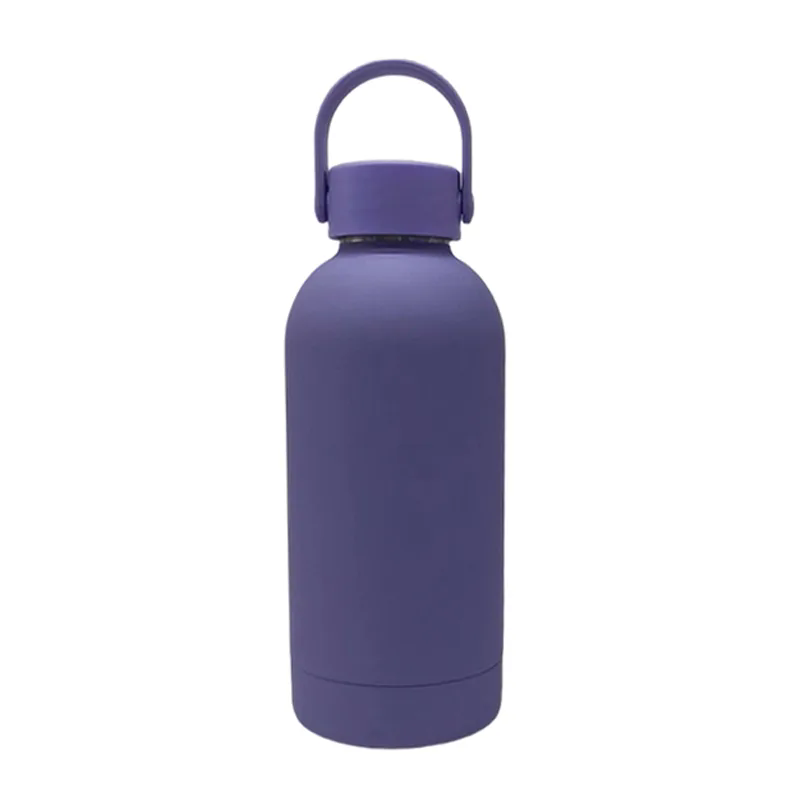
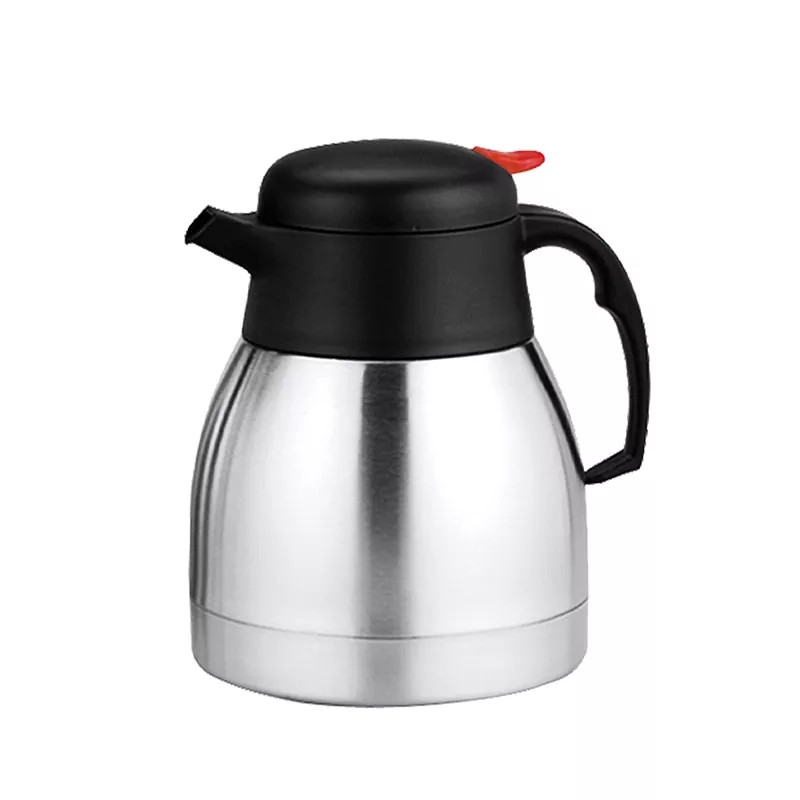
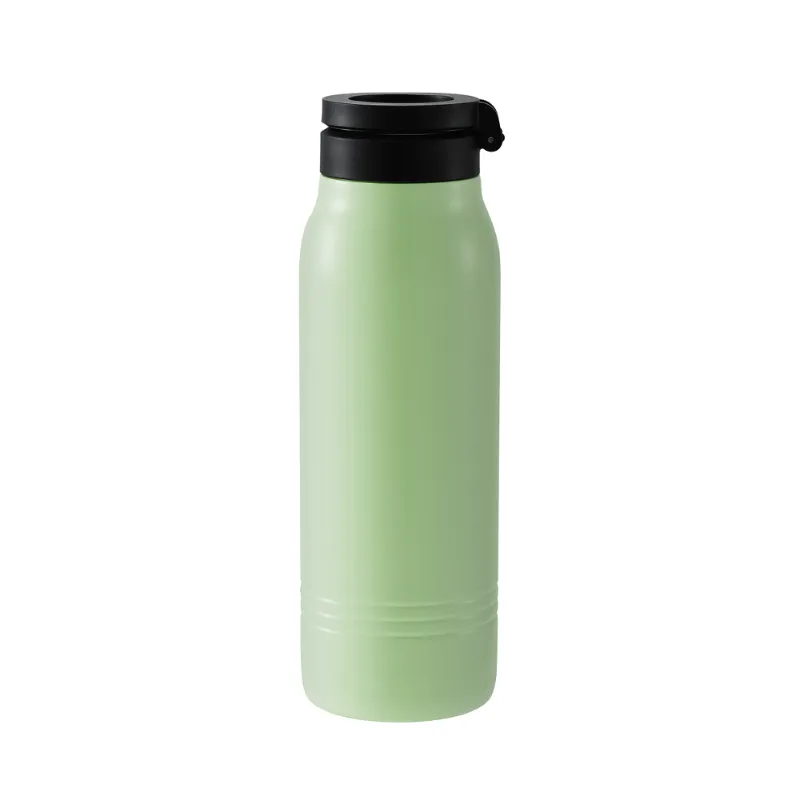
At our factory, we also apply a range of surface finishes to our Stainless Steel Water Bottles, including brushed, polished, and powder-coated options. The powder coating is applied using a process that is free from BPA and other harmful chemicals. It provides a durable, colorful finish that is safe for contact with the bottle. We also offer bottles with internal coatings, such as ceramic or silica-based coatings, which provide additional protection against corrosion and ensure that the taste of the water is not affected by the metal.
While BPA is the most well-known chemical of concern in water bottles, it is not the only one. Consumers are also concerned about lead, cadmium, and phthalates, all of which can be present in some plastic or metal products. Stainless Steel Water Bottles are free from these contaminants when they are manufactured to high standards. Lead and cadmium are heavy metals that can cause serious health problems, including neurological damage and organ toxicity. They are sometimes used as stabilizers or pigments in lower-quality plastics and paints. Stainless steel does not require these additives, and our factory does not use them in any part of our production process. Phthalates are a group of chemicals used to soften plastics. They are commonly found in PVC and other flexible plastic products. Stainless steel is not a plastic, and it does not contain phthalates.
To ensure that our Stainless Steel Water Bottles are free from these contaminants, we conduct regular testing at our factory. We test for lead, cadmium, phthalates, and other heavy metals using standard analytical methods. We also test for the migration of these substances into water under accelerated conditions, simulating long-term use. The table below summarizes the typical test results for our Stainless Steel Water Bottles.
| Contaminant | Test Method | Result |
| BPA | HPLC | Not detected |
| Phthalates | GC-MS | Not detected |
| Lead | ICP-MS | < 0.01 ppm |
| Cadmium | ICP-MS | < 0.01 ppm |
| Mercury | ICP-MS | < 0.01 ppm |
Our factory is committed to providing products that are safe for consumers and for the environment. We comply with all relevant international standards, including FDA, LFGB, and REACH. We also work with third-party testing laboratories to verify the safety of our products independently. This commitment to safety is one of the reasons why our Stainless Steel Water Bottles are trusted by consumers around the world.
When consumers choose a water bottle, they have three main options: plastic, aluminum, and stainless steel. Each material has its own advantages and disadvantages. Plastic bottles are lightweight and inexpensive, but they may contain BPA or other chemicals of concern. Aluminum bottles are lightweight and can be recycled, but they typically require an internal lining to prevent the aluminum from reacting with the water. This lining may contain BPA or other chemicals. Stainless Steel Water Bottles do not require any internal lining. The material is inherently inert and safe for contact with water. The table below compares the three materials across key safety and performance criteria.
| Criteria | Stainless Steel | Plastic | Aluminum |
| BPA-Free | Yes | Not always | Lining may contain BPA |
| Non-Toxic | Yes (inert material) | Depends on additives | Depends on lining |
| Durability | Excellent | Moderate | Good (dents easily) |
| Taste Neutrality | Excellent | Good | Requires lining |
| Insulation | Excellent (double-wall) | Poor | Moderate |
| Environmental Impact | Recyclable, long life | Limited recycling, short life | Recyclable, requires lining |
As the table shows, Stainless Steel Water Bottles offer the best combination of safety, durability, and performance. They are the preferred choice for consumers who are concerned about BPA and other chemicals and who want a bottle that will last for years. At Yongkang Jianyang Metal Co.,Ltd., we specialize in manufacturing high-quality Stainless Steel Water Bottles that meet the highest standards of safety and performance.
When selecting Stainless Steel Water Bottles, it is important to consider the specifications that affect safety and performance. These include the grade of stainless steel, the wall thickness, the type of cap and seal, and the surface finish. The table below provides a summary of the key specifications for our Stainless Steel Water Bottles.
| Specification | Options | Importance for Safety |
| Stainless Steel Grade | 304 (18/8), 316 (18/10) | 316 offers higher corrosion resistance |
| Wall Thickness | 0.4 - 0.8 mm (single wall); 0.3 - 0.5 mm (double wall) | Thicker walls resist dents and maintain integrity |
| Cap Material | PP, Tritan, Bamboo, Stainless Steel | BPA-free caps ensure no chemical leaching |
| Seal Material | Silicone | Food-grade silicone is inert and safe |
| Surface Finish | Brushed, Polished, Powder-Coated | Powder coating must be BPA-free |
| Internal Coating | None, Ceramic, Silica | No coating is required for stainless steel |
| Certifications | FDA, LFGB, REACH | Confirms compliance with safety standards |
At our factory, we offer a range of Stainless Steel Water Bottles to suit different customer requirements. We can customize the grade of stainless steel, the wall thickness, the cap type, and the surface finish to meet your specific needs. We also provide comprehensive testing and certification services to ensure that our products meet all relevant safety standards.
Question 1: What does "BPA-free" mean, and why is it important?
Answer: BPA-free means that a product does not contain bisphenol A, a chemical that is used in the production of certain plastics and resins. BPA is a concern because it can mimic estrogen in the body and has been linked to potential health effects. BPA-free products are preferred by consumers who want to avoid exposure to this chemical. Stainless Steel Water Bottles are inherently BPA-free because they do not contain any plastic materials.
Question 2: Are Stainless Steel Water Bottles safe for hot and cold liquids?
Answer: Yes, Stainless Steel Water Bottles are safe for both hot and cold liquids. The material is inert and does not react with the contents. Double-wall vacuum-insulated bottles are particularly good for maintaining the temperature of hot or cold drinks. However, it is important to use a bottle that is designed for hot liquids if you plan to use it for tea or coffee. Some bottles have caps that are not suitable for hot liquids, so always check the manufacturer's recommendations.
Question 3: Can Stainless Steel Water Bottles leach nickel or other metals?
Answer: High-quality Stainless Steel Water Bottles made from 304 or 316 stainless steel do not leach significant amounts of nickel or other metals under normal use conditions. The chromium oxide layer on the surface of the steel is stable and prevents the release of metal ions. However, if the bottle is damaged or corroded, leaching may occur. To minimize this risk, choose a high-quality bottle and avoid using abrasive cleaners that can scratch the surface.
Question 4: How do I clean a Stainless Steel Water Bottle to keep it safe?
Answer: To clean a Stainless Steel Water Bottle, wash it with warm water and mild dish soap. Use a bottle brush to reach the bottom and sides. Rinse thoroughly. For deeper cleaning, you can use a mixture of baking soda and water or a diluted vinegar solution. Avoid using bleach or other harsh chemicals. Allow the bottle to air dry completely before putting the cap back on. Regular cleaning prevents the buildup of bacteria and keeps the bottle safe to use.
Question 5: Are Stainless Steel Water Bottles recyclable?
Answer: Yes, Stainless Steel Water Bottles are fully recyclable. Stainless steel is one of the most recycled materials in the world, and it can be melted down and reused repeatedly without loss of quality. At the end of their long service life, Stainless Steel Water Bottles can be recycled, reducing waste and conserving resources.
Stainless Steel Water Bottles are BPA-free and non-toxic because of the inherent properties of the material. Stainless steel is an inorganic metal alloy that contains no organic chemicals, no BPA, no phthalates, and no other harmful additives. It is inert, durable, and safe for contact with food and beverages. When manufactured to high standards, Stainless Steel Water Bottles provide a reliable, long-lasting, and healthy alternative to plastic bottles. At Yongkang Jianyang Metal Co.,Ltd., our factory is committed to manufacturing high-quality Stainless Steel Water Bottles that meet the highest safety standards. We use only certified materials, follow rigorous manufacturing processes, and conduct comprehensive testing to ensure that our products are safe for our customers and their families.
Whether you are a consumer looking for a safe, non-toxic water bottle or a brand owner seeking a reliable manufacturing partner, we invite you to contact us to learn more about our Stainless Steel Water Bottles. We offer a wide range of standard products and can customize our bottles to meet your specific requirements. Our commitment to quality and safety has made us a trusted partner for businesses around the world.
Contact Yongkang Jianyang Metal Co.,Ltd. today to discuss your Stainless Steel Water Bottle requirements and discover how our BPA-free, non-toxic bottles can meet your needs.